
The Terrain Series, No. 6. A series on how everyday food shapes the body's inner terrain — the conditions that either invite disease or help keep it at bay. This week: the slow fire of chronic inflammation, and the foods that help cool it.
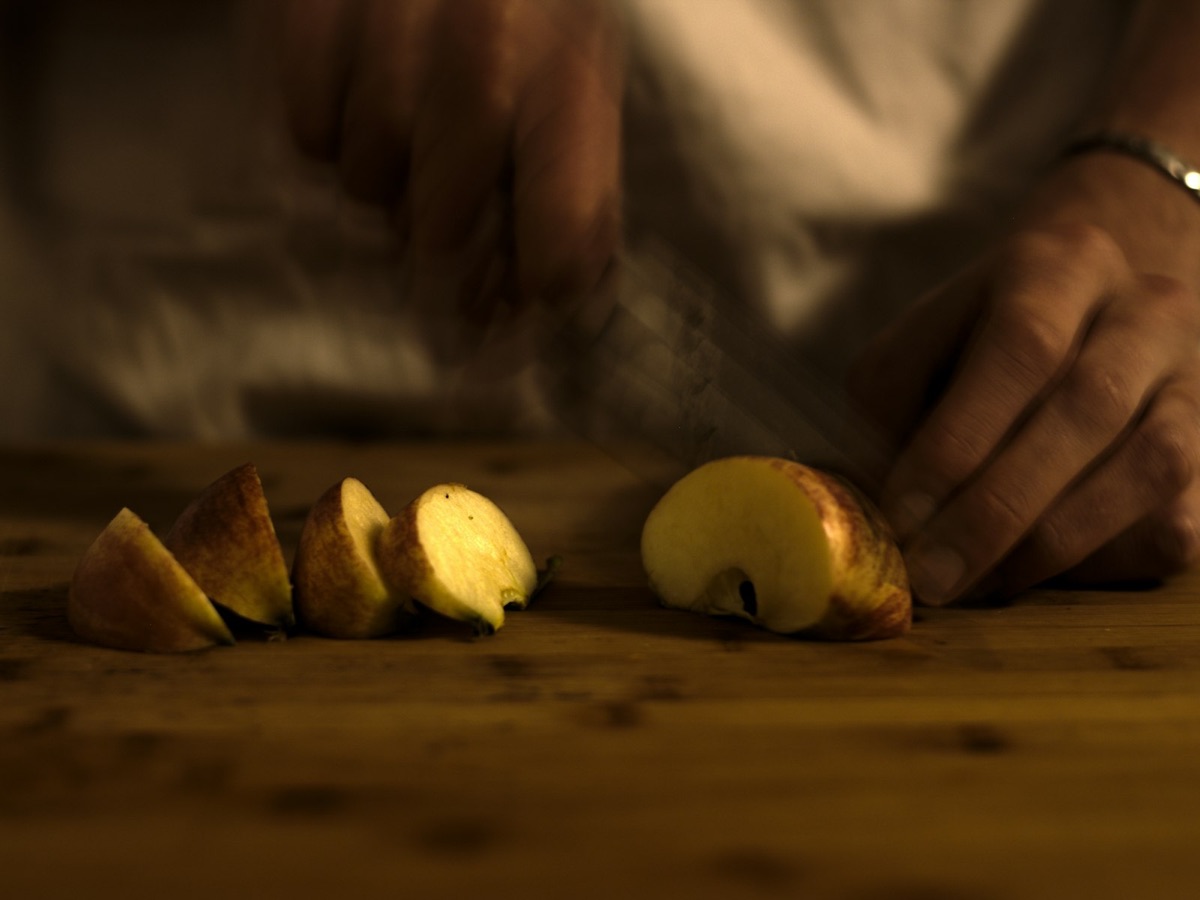
Slice an apple and leave it on the counter. Within minutes, the cut surface starts to brown. We've all seen it a thousand times — but it's worth pausing on, because that little bit of browning is a window into one of the most important things happening inside your body right now.
That browning is oxidation. The moment the apple's flesh meets the air, oxygen begins reacting with it, producing unstable molecules and visible damage. Now here's the trick most of us picked up in a kitchen somewhere: squeeze a little lemon juice on the apple, and the browning slows way down. The vitamin C in the lemon is an antioxidant — it steps in and takes the hit so the apple doesn't have to.
Your cells are running that exact same battle, all day, every day. Normal living — breathing, digesting, moving, stressing — produces unstable molecules called free radicals. Your body makes its own antioxidants and pulls more from food to neutralize them. When the two are balanced, all is well. When free radicals start to outpace your defenses, you get oxidative stress — and oxidative stress is one of the biggest drivers of the slow, smoldering fire we call chronic inflammation.
Acute vs. chronic: not all inflammation is the bad guy
Inflammation itself isn't the enemy. It's your body's built-in alarm system. Roll your ankle or catch a cold, and a healthy inflammatory response rushes in, does its job, and stands down. That's acute inflammation, and it's exactly what's supposed to happen.
The problem is when the alarm never shuts off. Chronic, low-grade inflammation is the version that quietly runs in the background for months or years — no swelling, no obvious signal, just a constant low hum that wears on the body. Over time it damages tissues, disrupts hormones, and wears down the immune system. It's increasingly linked to nearly every modern chronic condition — and it's a huge part of why so many people just feel off: tired, achy, foggy, inflamed in ways they can't quite name.
In the context of cancer, this matters even more. Chronic low-grade inflammation isn't just a symptom — it's part of the terrain. Inflammatory pathways like NF-κB (think of it as the master "on switch" for inflammation in your cells) are switched on in many cancers, helping drive growth and dimming the body's defenses.1 Cool the inflammation, and you make that terrain less hospitable.
The good news: this is a kitchen-table problem
Here's what I love about inflammation as a terrain target: it's deeply responsive to food. Your fork is one of the most powerful tools you have, and every meal is a chance to either pour gasoline on the fire — or help put it out.
The foods below aren't supplements, prescriptions, or magic. They're real, whole, deeply nourishing foods carrying compounds your body already knows how to use. The magic is in eating them consistently — and, honestly, joyfully.
Your anti-inflammatory all-stars
| Food | A serving | Why it helps |
|---|---|---|
| Dark chocolate / raw cacao (85%+) | 1 oz, or 2 tbsp cacao | Flavanols signal the body to turn down the inflammatory fire — and support your heart while they're at it.1 |
| Wild-caught salmon | 3 oz cooked | The omega-3s (EPA + DHA) are nature's most powerful inflammation-resolvers, and may help slow cancer cell growth.2 |
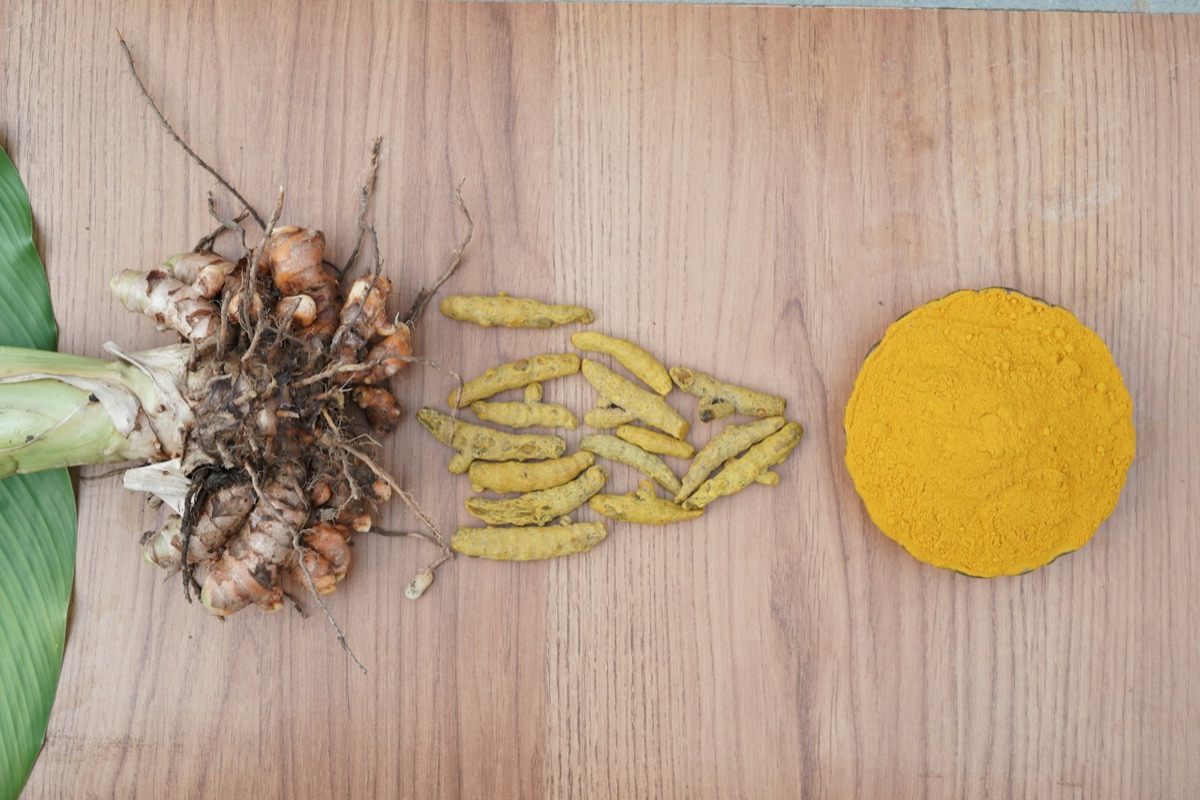
| Turmeric + black pepper | 1 tsp + a pinch | Curcumin blocks inflammation at the source. The black pepper isn't optional — it makes curcumin dramatically more absorbable. |
| Ginger | 1 tsp fresh, grated | Works like a gentle natural pain reliever; quiets inflammation and settles digestion. |
| Blueberries | ½ cup, fresh or frozen | That deep blue-purple pigment (anthocyanins) takes on cellular damage directly. Buy organic — they're on the Dirty Dozen. |
| Pecans | 1 oz (~19 halves) | One of the most antioxidant-rich nuts there is — ellagic acid and vitamin E protecting your cells. |
| Ceylon cinnamon | 1 tsp | Steadies blood sugar and lowers inflammatory markers — double duty in a spice. |
| Virgin coconut oil | 1 tbsp | Stable fats for medium-heat cooking that support immune function and ease the inflammatory load. |
Notice the theme: color, plants, good fats, real spices. Many of these are old friends from this series — the salmon, the antioxidant-rich berries, the turmeric-and-pepper trick. They all work the same underlying job: handing your cells more antioxidants so oxidation doesn't win.
Simple ways to fold them in
You don't need a special regimen — just a few quiet habits:
- A pinch of turmeric + black pepper (and a little ghee or coconut oil) stirred into morning coffee, broth, or golden milk.
- A square of 85%+ dark chocolate in the afternoon — intentionally, with gratitude. That's not cheating. That's delicious medicine.
- Frozen organic blueberries always on hand — smoothies, oatmeal, straight from the bag.
- Coconut oil for medium-heat cooking — generously.
- Wild salmon two to three times a week, kept simple.
- Ginger and cinnamon in your tea, your smoothie, your baking. Daily.
The honest part
Two things, because you deserve the straight version.
First: no single food is anti-inflammatory enough to outrun a diet (or a life) that's constantly stoking the fire. It's the overall pattern — consistent, colorful, whole-food eating, plus sleep, movement, and stress care — that shifts the terrain. One blueberry is not a force field.
Managing inflammation through food is a powerful, accessible support — in prevention, during treatment, and in recovery — but it is not a treatment, and nothing here replaces your medical team. It's about tending the soil so the body has a better chance, alongside your care, not instead of it.
Bring it to your plate
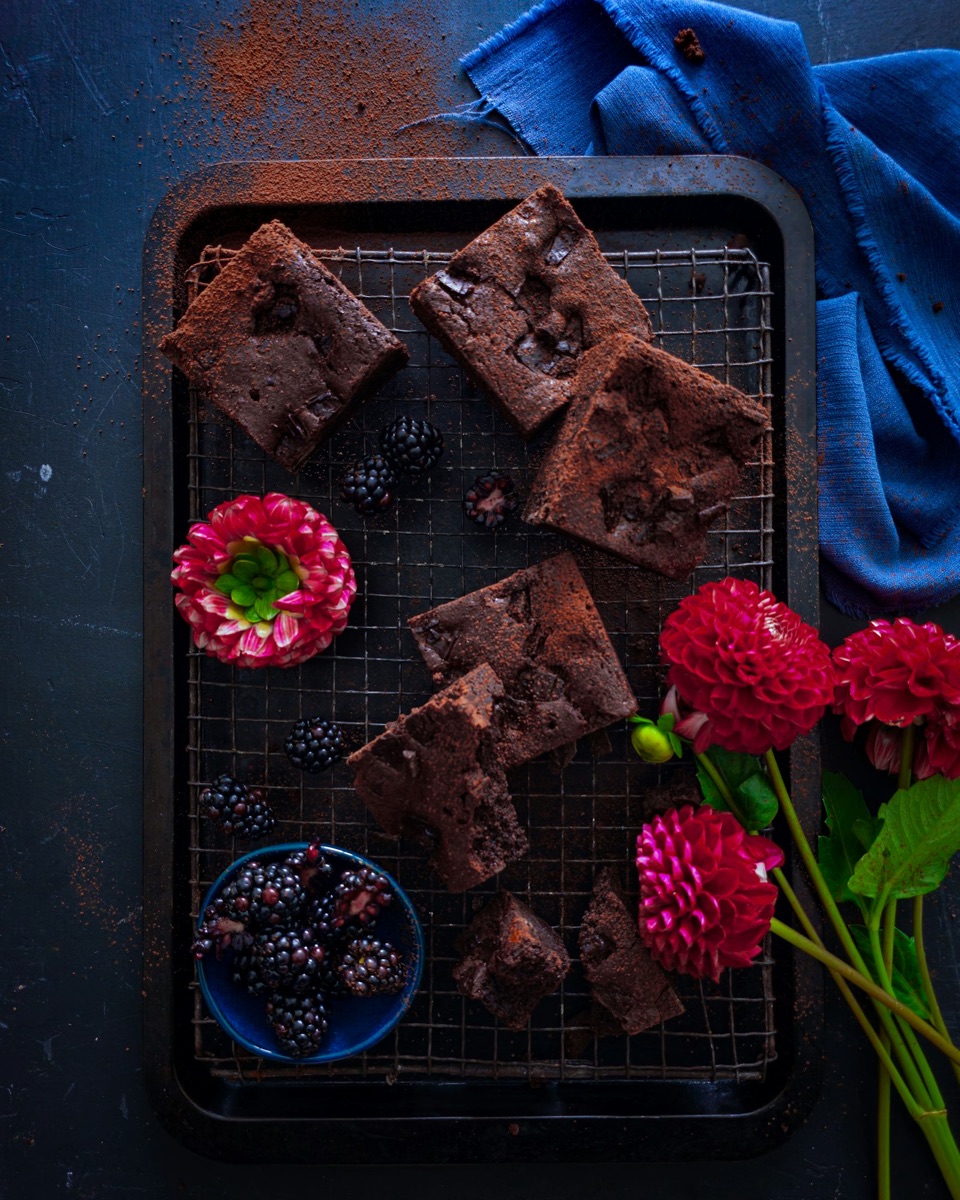
Because joy is part of the medicine, I turned all of this into a treat that secretly works as hard as you do: zesty chai dark chocolate pecan brownies — dark chocolate, pecans, and a whole spice rail of cinnamon, ginger, and turmeric, grain-free and low-glycemic. Make a pan, brew some green tea or rooibos, and share them with your people. That act of gathering? That's medicine too.
The fire of chronic inflammation is real — but so is your ability to cool it, one colorful, joyful meal at a time. More to come.
Sources: 1 Sitarek, P., Merecz-Sadowska, A., Sikora, J., et al. (2024). Exploring the therapeutic potential of Theobroma cacao L.: insights from in vitro, in vivo, and nanoparticle studies on anti-inflammatory and anticancer effects. Antioxidants, 13(11), 1376. | 2 Liu, H., Chen, J., Shao, W., Yan, S., & Ding, S. (2023). Efficacy and safety of omega-3 polyunsaturated fatty acids in adjuvant treatments for colorectal cancer: a meta-analysis of randomized controlled trials. Frontiers in Pharmacology, 14, 1004465.
Photos via Unsplash.