
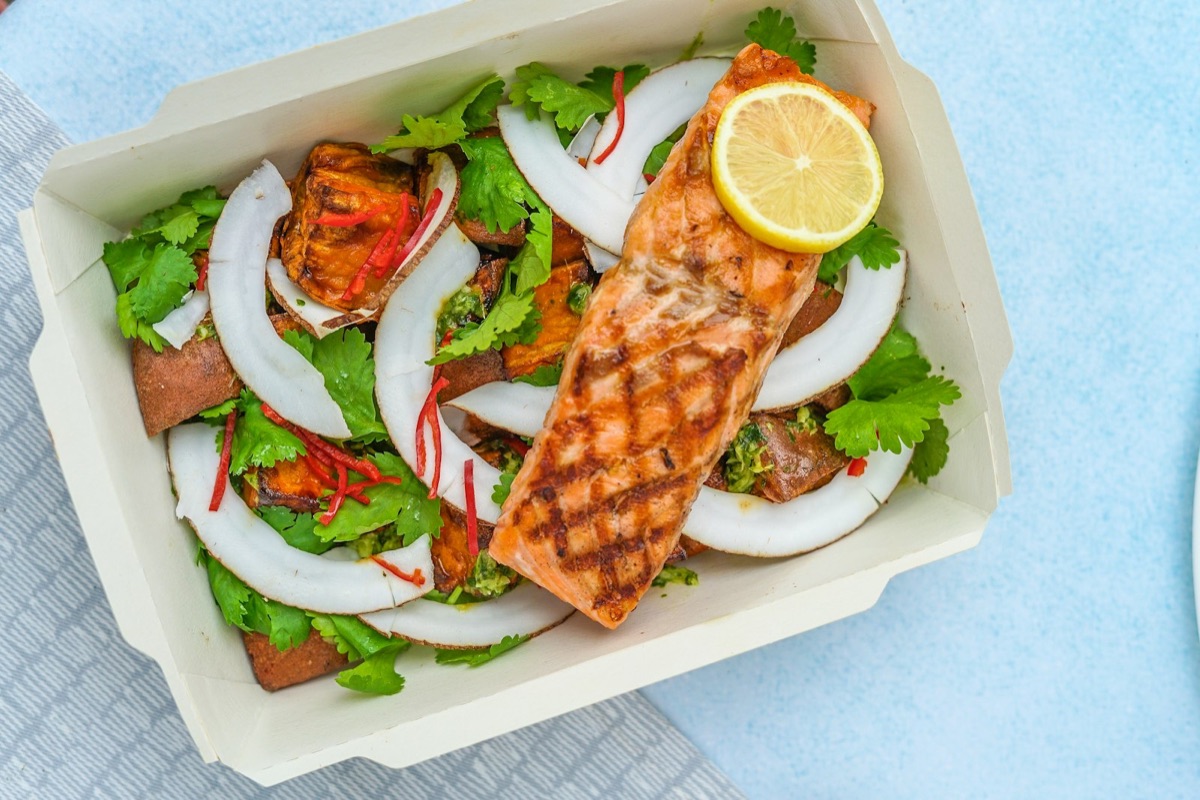
The Terrain Series, No. 2. A series on how everyday food shapes the body's inner terrain — the conditions that either invite disease or help keep it at bay. This week: the sugar question, answered honestly.
If you've spent any time reading about nutrition and cancer, you've run into this question — usually shouted in a headline: Does sugar feed cancer?
It's one of the most-Googled questions in my whole field. And the honest answer is: it's complicated, it's real, and it's far more useful than the scary yes-or-no you usually get. So let's walk through it together — calmly, without the fear, and without anyone needing to swear off birthday cake forever.
First, a little honesty about glucose
Here's the thing that gets lost in the headlines: every cell in your body runs on glucose. Your brain, your muscles, your heart — all of it. Glucose isn't a villain. It's life. When you eat carbohydrates — including the carbohydrates in vegetables, fruit, and whole grains — your body breaks them down into glucose to use as fuel. That's normal and good.
So the question was never really "is sugar evil." The more honest question is: what happens when blood sugar and insulin stay high, day after day, year after year? That's where it gets interesting.
Why cancer cells are especially greedy for glucose
This is the part the headlines are clumsily pointing at. Cancer cells have a genuinely unusual relationship with sugar.
Most healthy cells make energy efficiently, using oxygen — a process that produces about 36 units of cellular energy (ATP) per glucose molecule. Cancer cells often do something stranger: even when oxygen is available, they ferment glucose in a fast, inefficient way that yields only about 2 units of energy per molecule. To keep up, they have to consume enormous amounts of glucose — by some measures 10 to 50 times more than a normal cell, helped along by extra insulin receptors on their surface.
This quirk has a name: the Warburg effect, first described by Nobel Prize–winning biochemist Otto Warburg back in 1924.1 It's so reliable that medicine uses it diagnostically — a PET scan works by injecting a glucose tracer and watching where it lights up, because the most glucose-hungry cells are often tumors.
So is the "sugar feeds cancer" instinct completely wrong? No. There's a real mechanism underneath it. But the takeaway isn't to live in fear of natural sugar. It's something more practical.
The quieter driver: insulin
Here's what I find most worth understanding. It's not just the sugar itself — it's the hormone your body releases to handle it: insulin.
Insulin's day job is to usher glucose out of the blood and into your cells. But insulin is also a growth factor — it sends "grow and divide" signals to cells, and it nudges up other growth factors too (like IGF-1).2 When blood sugar is chronically high, insulin stays chronically high, and that's a lot of "grow" signaling in the background. There's a second route, too: chronically high insulin encourages the body to store visceral fat, and that fat tissue isn't inert — it actively releases inflammatory messengers. It's part of why major cancer-prevention organizations point to excess body fat as one of the biggest diet-related risk factors, since that chronic, low-grade inflammation is itself a key driver of cellular dysfunction. Research has consistently linked higher insulin and insulin resistance to greater cancer risk and poorer outcomes — people with diabetes, for instance, show elevated rates of, and mortality from, several cancers, colon and breast among them.4
In other words: the goal isn't to fear a single sweet thing. It's to keep blood sugar steady so insulin isn't running high all the time. That's a goal you can actually act on — and it happens to be good for your energy, your mood, and your whole metabolic terrain, cancer aside.
What steadying blood sugar actually looks like (no perfection required)
This is the part I love, because it's not about restriction or shame. It's about building plates that work with your body. A few gentle shifts that go a long way:
- Pair your carbs. Carbohydrates hit your blood sugar more gently when they arrive with fiber, protein, and fat. An apple with almond butter behaves very differently than apple juice.
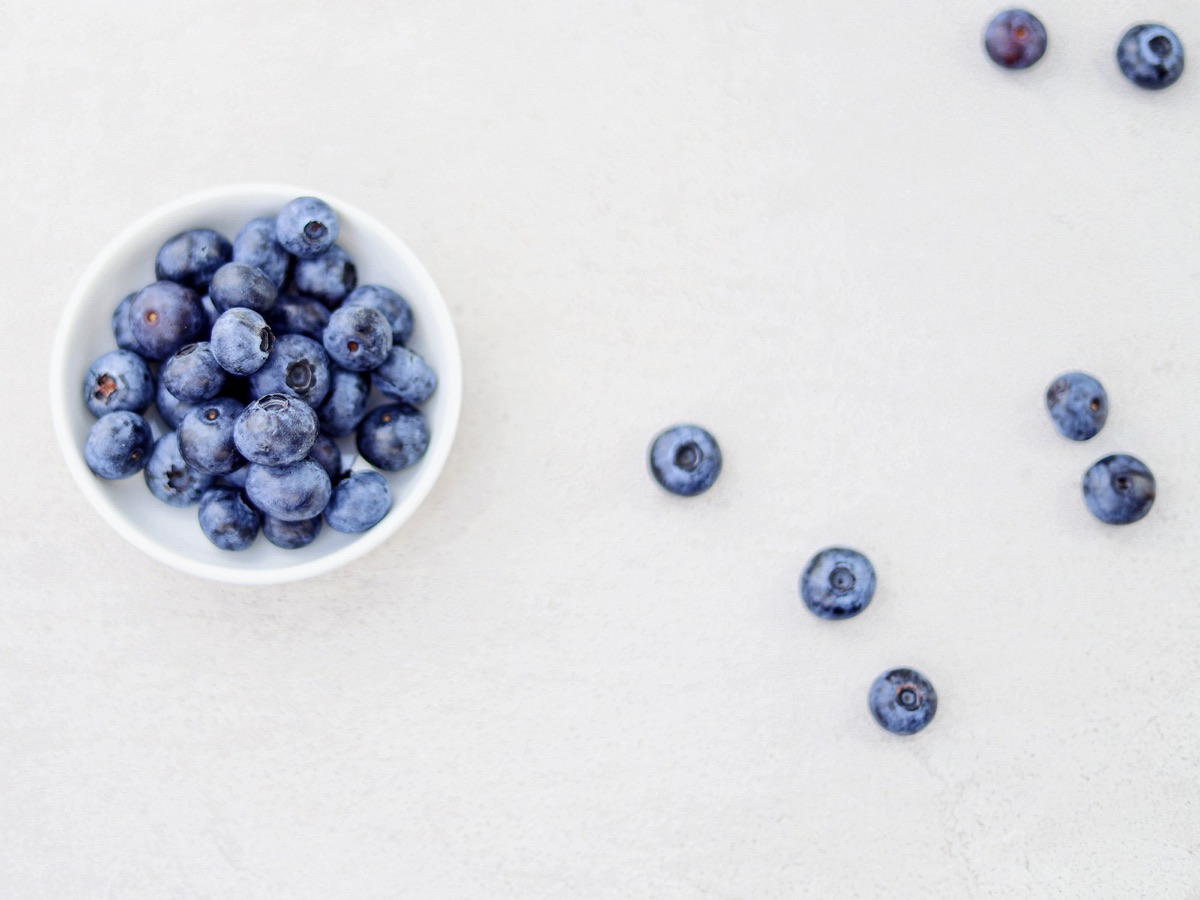
- Choose berries as your sweet. Berries are naturally lower in sugar and loaded with protective antioxidants — genuinely nature's dessert. And here's the part people miss about fruit in general: whole fruit comes bundled with fiber, water, and antioxidants, so it behaves very differently in your body than the same grams of sugar in juice or candy. The sugar in an orange and the sugar in a soda are not the same experience for your blood sugar.
- Lean on real, whole carbohydrates. Vegetables, and intact whole foods, come with the fiber that slows glucose down. Refined flour and added sugar have had that fiber stripped out, so they spike things faster.
- Skip the artificial sweeteners. They're not the safe shortcut they seem — some research links them to disrupted gut bacteria and worse glucose tolerance over time.3
- Remember the non-food levers. Sleep, movement, and stress all move blood sugar. Stress raises cortisol, which raises blood sugar; a short walk after a meal lowers it. These count just as much as what's on your fork.
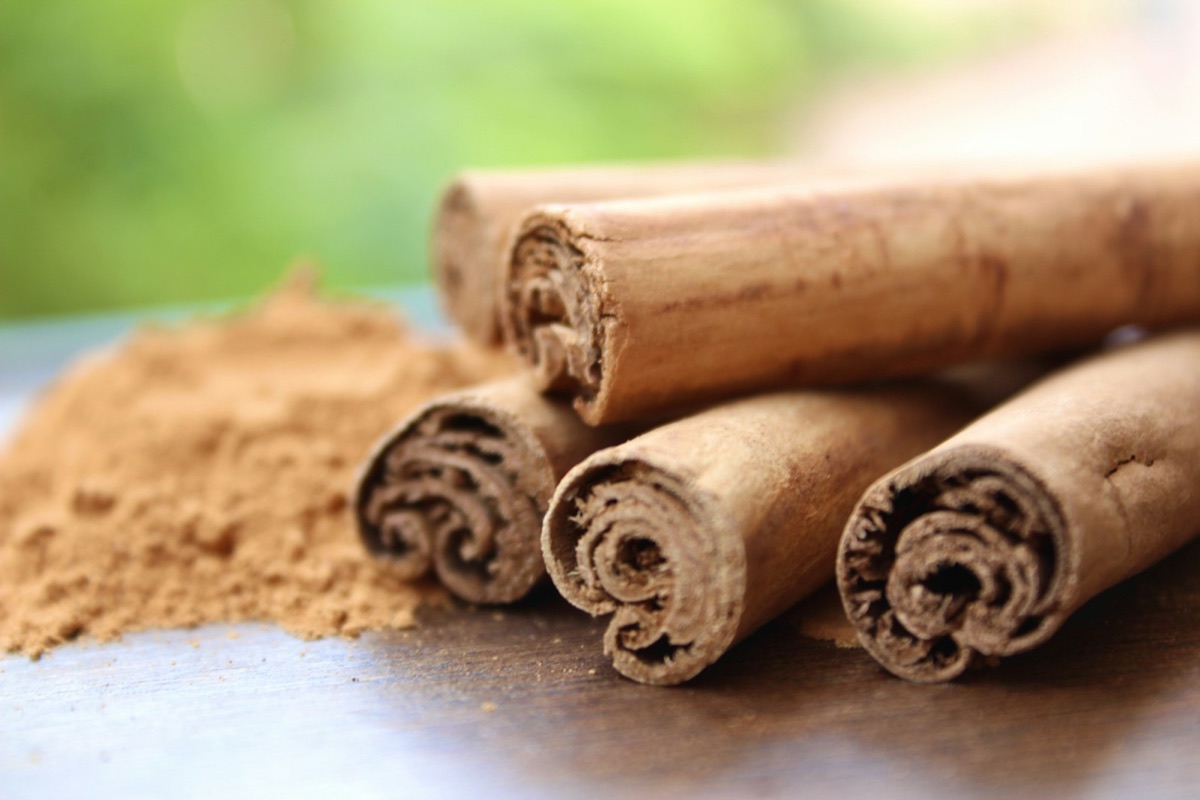
And a few quiet allies worth a place on your plate: cinnamon (shown to gently lower blood sugar), chromium-rich foods like broccoli, garlic, and — a familiar friend from the first post in this series — green tea, whose EGCG is one of several plant compounds studied for its effect on glucose metabolism. Want to sip two of them at once? Try my iced vanilla-cinnamon green tea latte — green tea and cinnamon together in one calm, blood-sugar-friendly glass.
So — does sugar feed cancer?
Here's where I land, and where the research lands: it's the wrong question, asked with the right instinct.
Sugar isn't a poison, and one slice of cake is not going to "feed" anything. But a body running on chronically high blood sugar and insulin is a more hospitable terrain for things you'd rather not encourage — and a calmer, steadier metabolism is a less hospitable one. That's not a reason for fear. It's a reason for a little curiosity about how you build your plate.
You don't need a perfect way of eating. You need a steady one. Progress, not perfection — added gently to the life you already have.
This is general education, not medical advice — and it's especially important to say: if you're in active cancer treatment, please don't make big dietary changes without your oncology team. Nutrition is a support, not a substitute, and it works best alongside your care.
Sources: 1 Warburg, O. (1956). On the origin of cancer cells. Science, 123(3191), 309–314. (Warburg effect, first described 1924.) | 2 Schiliro, C., & Firestein, B.L. (2021). Mechanisms of metabolic reprogramming in cancer cells supporting enhanced growth and proliferation. Cells, 10(5), 1056. | 3 Suez, J., et al. (2014). Artificial sweeteners induce glucose intolerance by altering the gut microbiota. Nature, 514, 181–186. | 4 Harding, J.L., Shaw, J.E., Peeters, A., Carstensen, B., & Magliano, D.J. (2015). Cancer risk among people with type 1 and type 2 diabetes: disentangling true associations, detection bias, and reverse causation. Diabetes Care, 38(2), 264–270.
Photos: Toa Heftiba, Yulia Khlebnikova, and Rens D via Unsplash.