
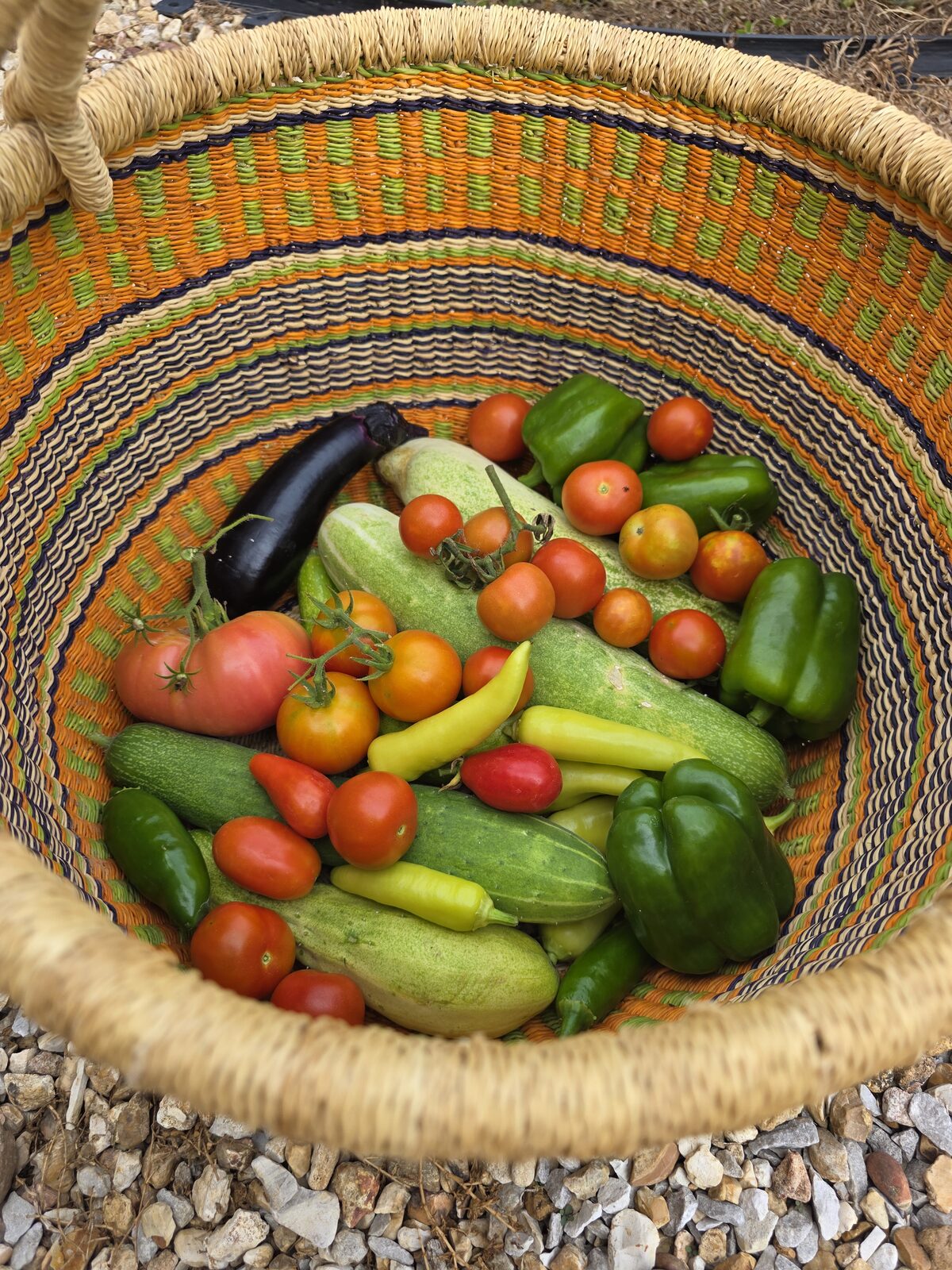
I used to think gardening would be peaceful. A little dirt therapy, some sunshine, a basket of tomatoes at the end of it.
Nobody tells you it's actually a season-long relationship with grief and gratitude that takes turns wrecking you and rewarding you, sometimes in the same afternoon.
This year I learned more about food — real food, the kind that has to survive weather and bugs and bad luck before it ever reaches a plate — than I did in any nutrition textbook. And I think it's time somebody said the quiet part out loud: growing food is hard. Genuinely, physically, emotionally hard. And most people have absolutely no idea.
The enemies list
I didn't know I'd spend this much of my summer at war. Not with anything dramatic — with bugs the size of a pinhead and a virus I can't even see.
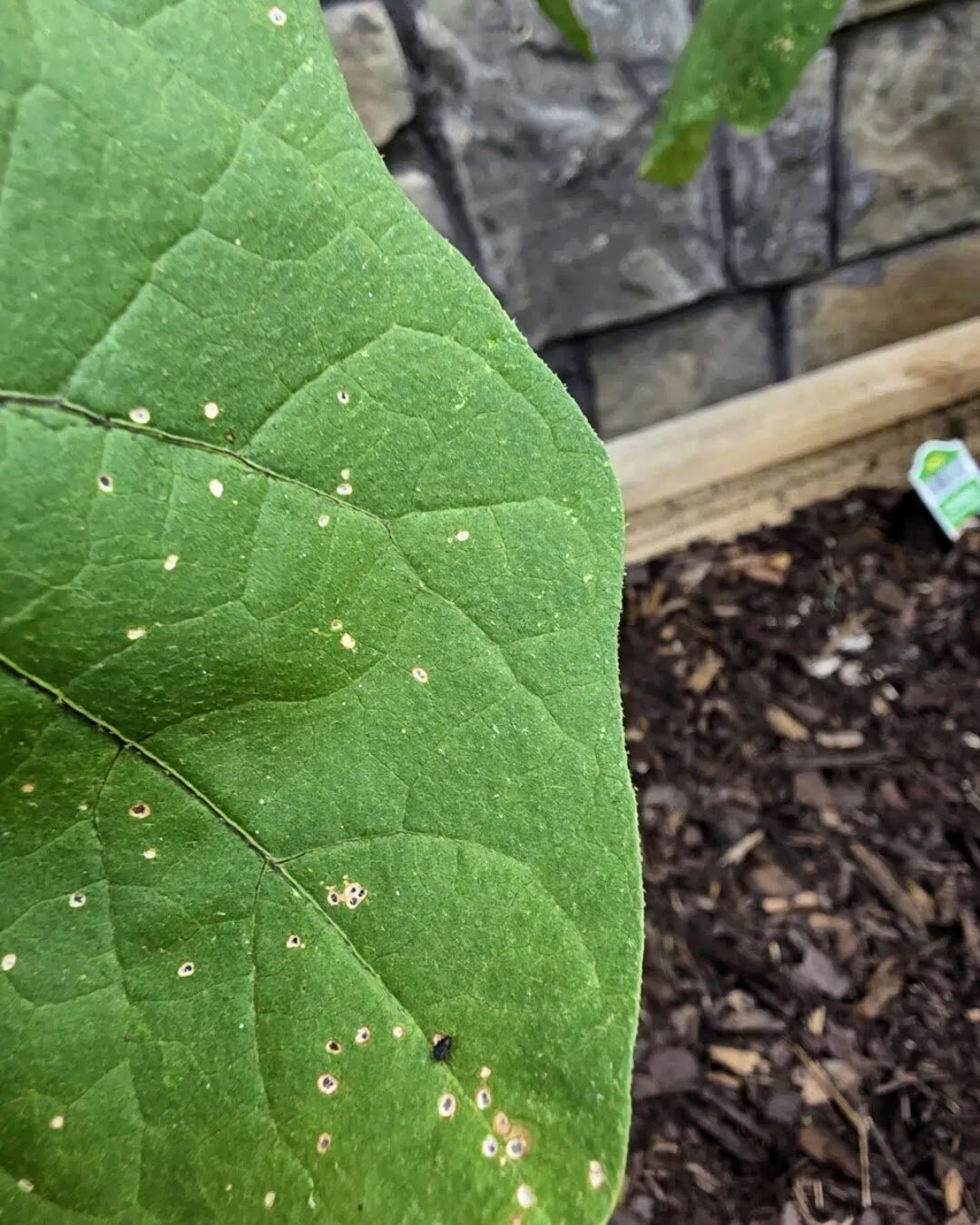
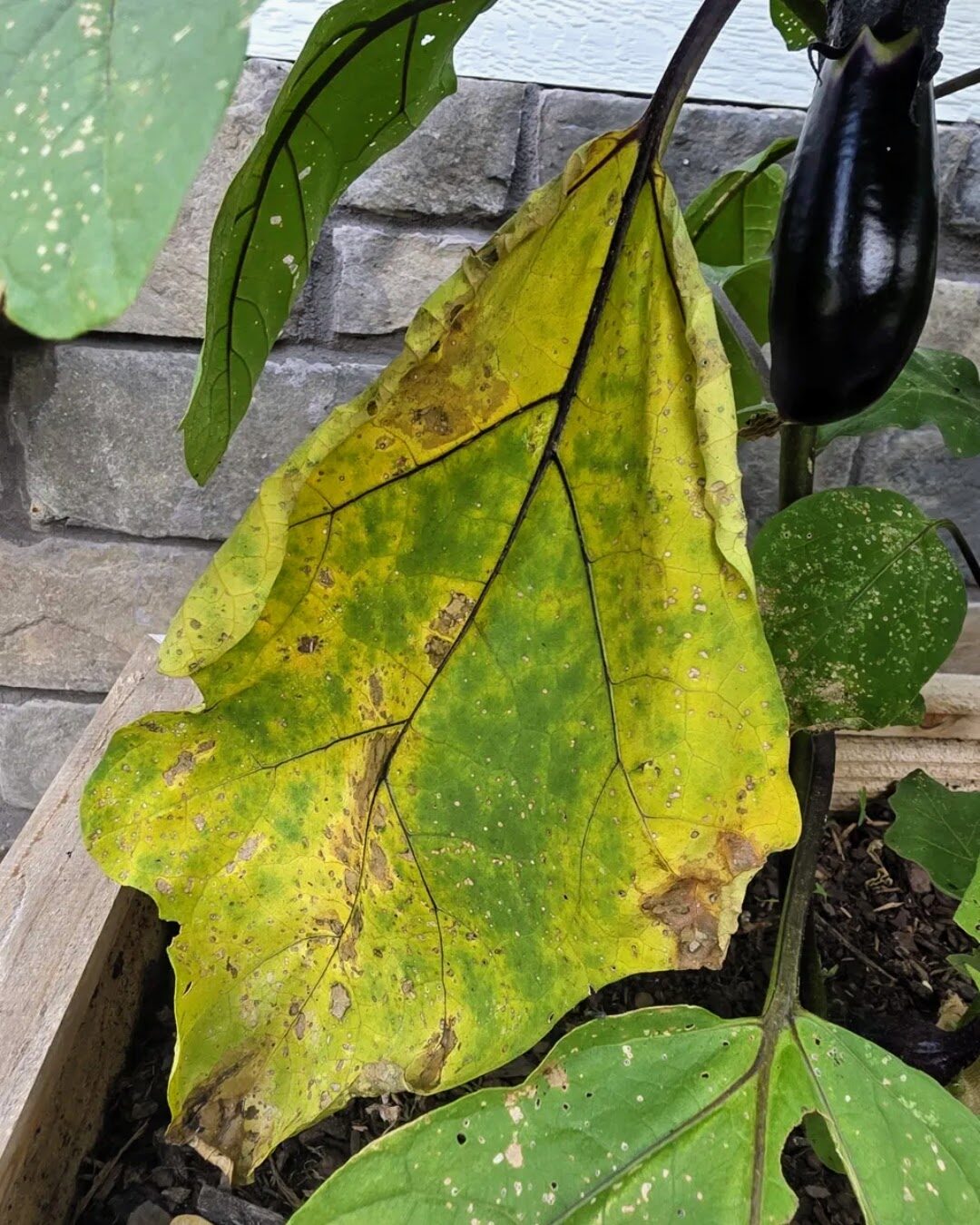
Flea beetles found my eggplant first, riddling the leaves with tiny shotgun holes almost overnight. I sprayed spinosad in the evenings to protect the pollinators, watched it knock the population back, watched it creep in again five days later. Squash bugs came for the vines next, laying their bronze egg clusters on the undersides of leaves like they were mocking me — diatomaceous earth became my daily ritual. Spider mites moved into the cucumbers and turned the leaves a dusty, stippled gray before I even noticed they were there. Aphids showed up wherever I got complacent. And then there's mosaic virus — no spray fixes that, no amount of care undoes it. You just watch a plant you started from seed slowly distort and decline, and there's nothing to do but pull it before it spreads.
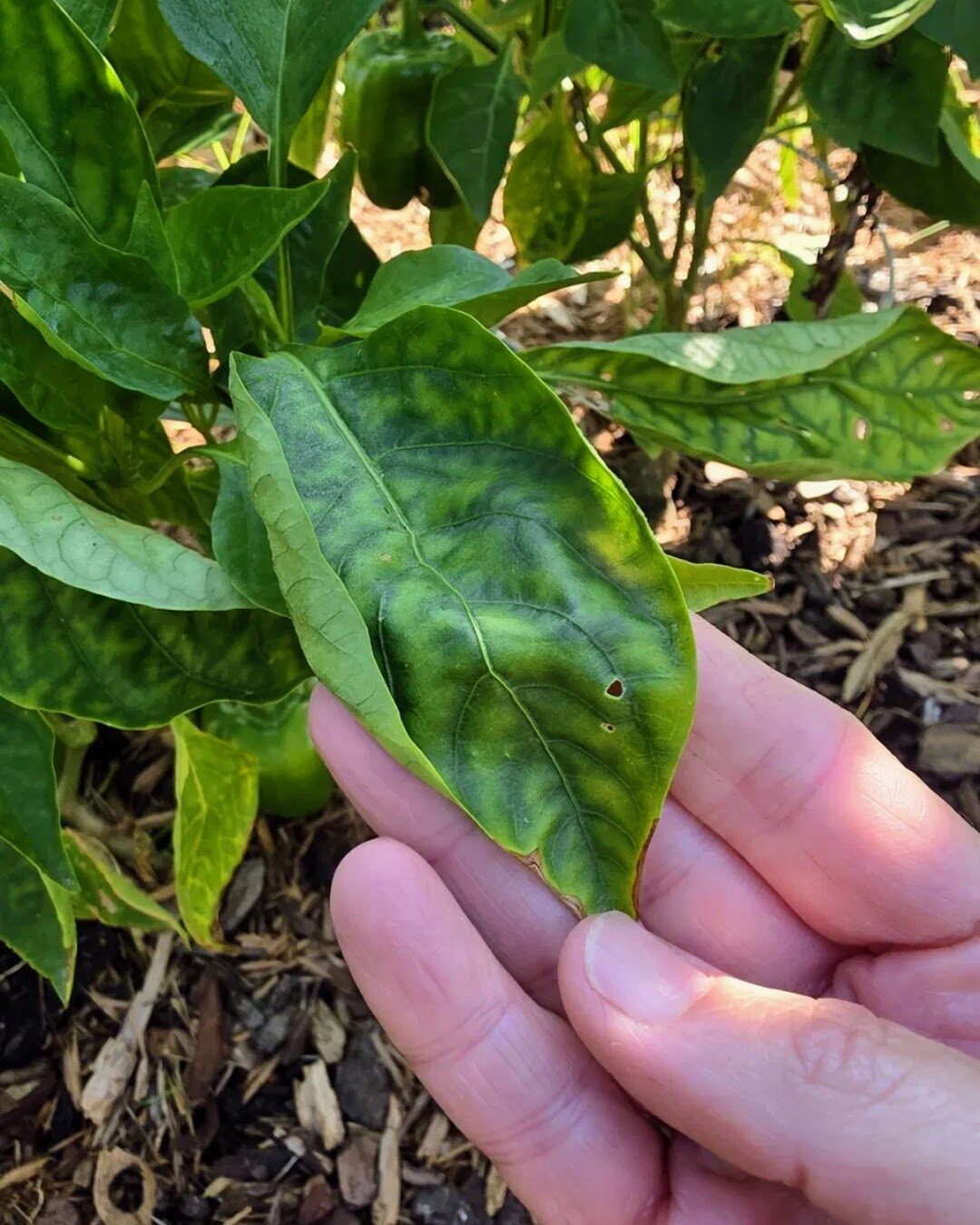
That's not counting the weather, which doesn't care about any of it. Too much rain and the roots suffocate. Not enough and you're out there every evening with a hose, watching plants wilt anyway because the heat won't quit. A cold snap at the wrong moment can undo weeks of work in a single night. You are, every single day, negotiating with things you cannot control, for a harvest that isn't guaranteed no matter how well you do everything right.
The part nobody warns you about
Here's what surprised me most: how much it hurts. Not in a dramatic way — in a quiet, cumulative way. You nurse a seedling for weeks. You check on it every morning with your coffee like it's a member of the household. And then one day it's just gone, or dying, or covered in something you can't fix. It is a strange kind of grief, mourning a plant. But it's real, because what you actually lost was time, and hope, and the version of the harvest you'd already pictured in your head.
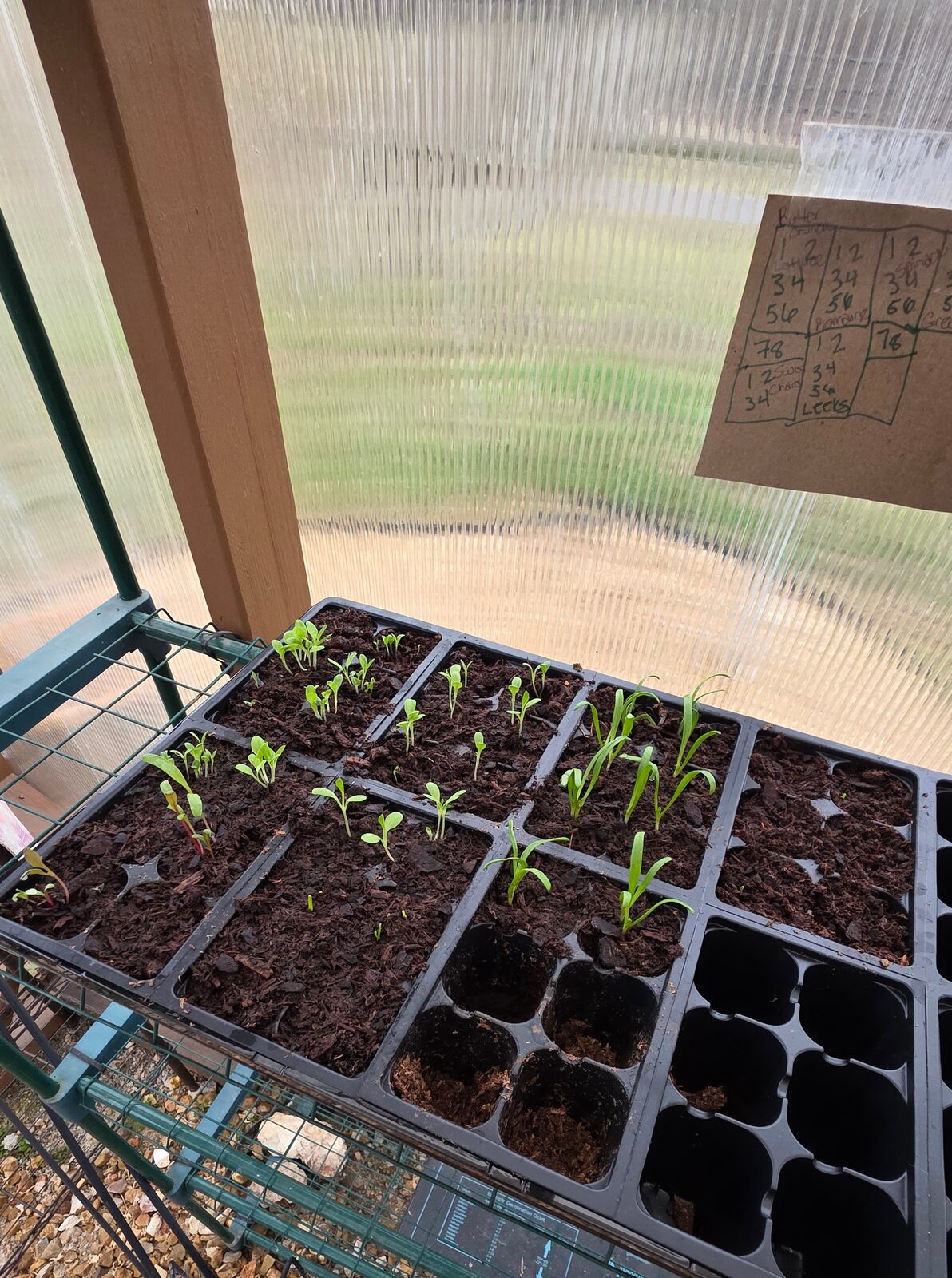
And then — the flip side. Somewhere in the middle of the chaos, a homesteading neighbor gifted me tomato seedlings, and I remember just staring at them thinking, okay, how do I actually turn these into something real? I had no idea what I was doing. Those seedlings are now huge, thriving tomato bushes, and I still can't quite believe it every time I walk past them.
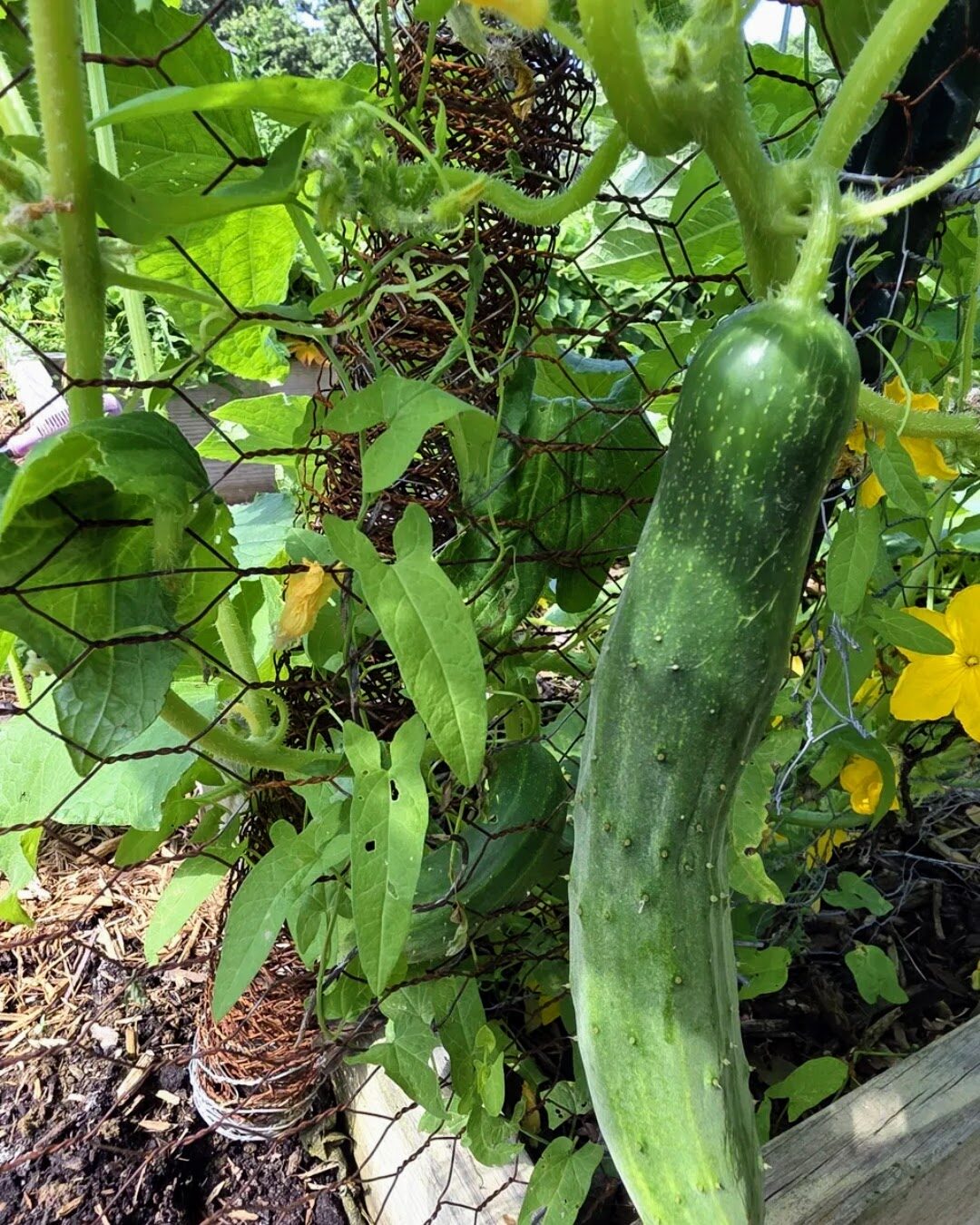
The cucumbers had their own fight — aphids moved in hard toward the end of the season — and I still pulled about twenty pounds off of just two plants. Twenty pounds, from two plants I wasn't even sure would make it through the summer.
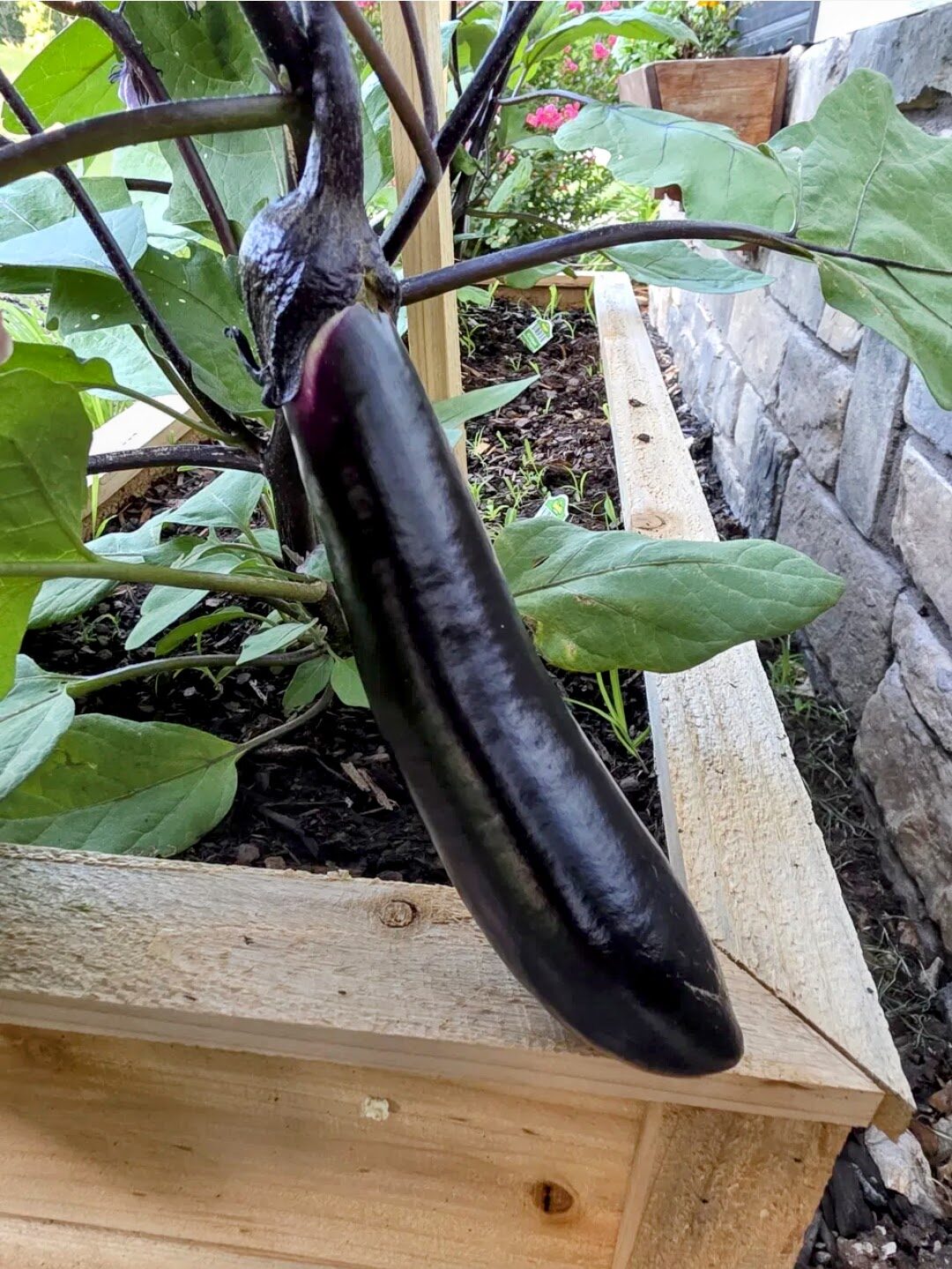
The eggplant is the one I'm proudest of. I've fought flea beetles on those plants every single day, all season — evening sprays, checking leaves every morning, refusing to let them win. The leaves still look rough and a little sickly from the fight. But it's still producing — somewhere around thirty eggplant so far — and I'm still out there battling for it daily.
The butternut squash is the same story, just with squash bugs instead of beetles. Every single day is a fight to keep that vine alive and fruiting, and every single day, so far, I've won. Right behind it, the acorn squash I've been training up the fence — coaxing every vine upward, tying it off, watching for the tendrils to grab hold on their own — is doing exactly what I hoped it would.
When something survives everything I threw at the problem trying to take it down, it feels like a small miracle, because it basically is one.
Why this matters to you, not just me
If you've ever grumbled about the price of organic produce at the store, I need you to hear this: that price tag is not greed. It's labor. It's every hour spent hand-picking bugs off leaves instead of just spraying something that kills everything indiscriminately. It's the risk a farmer takes every single season, knowing that a hailstorm or a virus or a heat wave could take out months of work in an afternoon, with no guarantee of a payout at the end. Organic food costs more because it should — because doing it without shortcuts is genuinely more expensive in sweat, time, and risk.
And that's just my backyard. Multiply what I've dealt with on a handful of raised beds by acres, by a payroll, by a mortgage on the land itself, and you start to understand why farming carries one of the highest rates of financial instability of any profession in this country. These are people feeding entire communities, often without much of a safety net, absorbing losses quietly so the rest of us can take a full grocery store for granted.
What I'm asking
Next time you're at a farmers market, or you see the organic label costs more than the conventional one, or a friend mentions they're "just" gardening this summer — think about what actually goes into it. The bug patrol. The heartbreak of a plant you can't save. The relief when something finally makes it. That food didn't just appear. Somebody fought for it.
Thank a farmer. Thank the person selling you tomatoes at the market on a Saturday morning. And if you've got the space for even one raised bed, try growing something yourself — not because it's peaceful (it is not always peaceful), but because it will change how you see every single thing on your plate.
It certainly changed how I see mine.