Let me be upfront about something: I am not the only hero of this story.
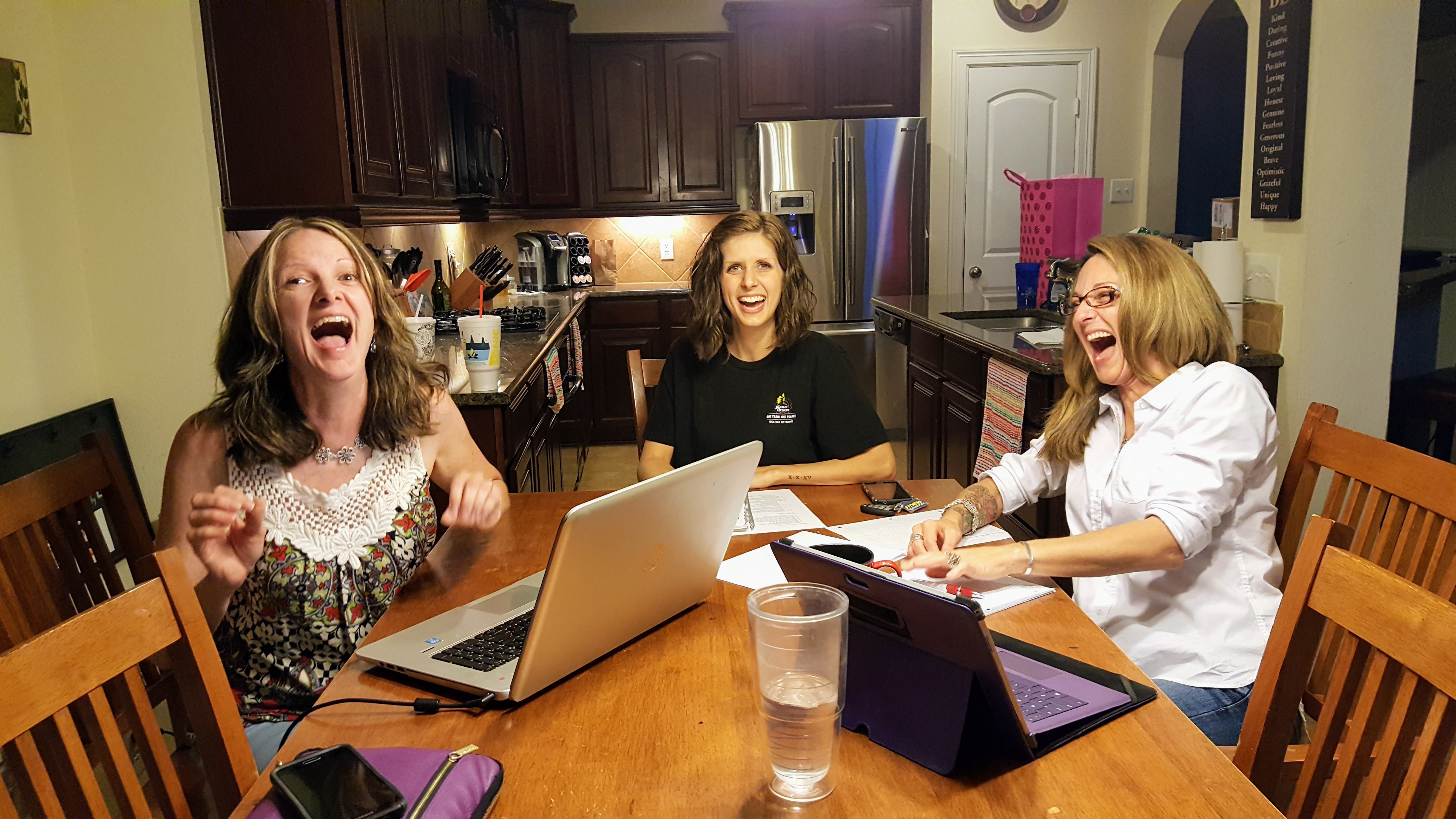
The heroes are Allison and Emily. Allison had the idea back in 2016 and called me up — she already knew Emily from the shelter and knew she was exactly who we needed. So the three of us sat down in my kitchen one night in Texas and hashed out what this thing could be. What it should be. We had no idea.
What I know now, ten years later, is that when I had to step back and become more of a silent partner, Emily stepped forward. She has been Allison's right hand through all of it — boots on the ground, always there, the kind of person you build something real with. And me? I'm the one who has Allison's back no matter what — even from Missouri.
We added Vivian to the board a few years in, and honestly, same energy — the right person at the right time.
Allison has spent the last ten years showing up — physically, consistently, relentlessly — at the Collin County Animal Shelter. She coordinates volunteers. She meets with shelter staff. She negotiates with vets. She knows the dogs by name. She is, as I have told her on multiple occasions, the general. The rest of us are just the troops.
And it turns out — that dynamic, that tether to something bigger than yourself even when you're three states away and perpetually behind on everything — is actually a longevity story. Let me explain.
What Adopt My Heart Does (And Why It Matters)
Adopt My Heart is the small nonprofit that started in my kitchen in 2016 with one simple mission: sponsor heartworm treatment for dogs at the Collin County Animal Shelter so they have a fighting chance at adoption. Heartworm-positive dogs are harder to place — the treatment is expensive, the recovery is long, and most families aren't in a position to take that on. So we take it on for them.
Over the years, we've expanded to cover other special medical cases too — surgeries, parvo treatment, the situations that would otherwise mean a dog (or cat) doesn't make it out.
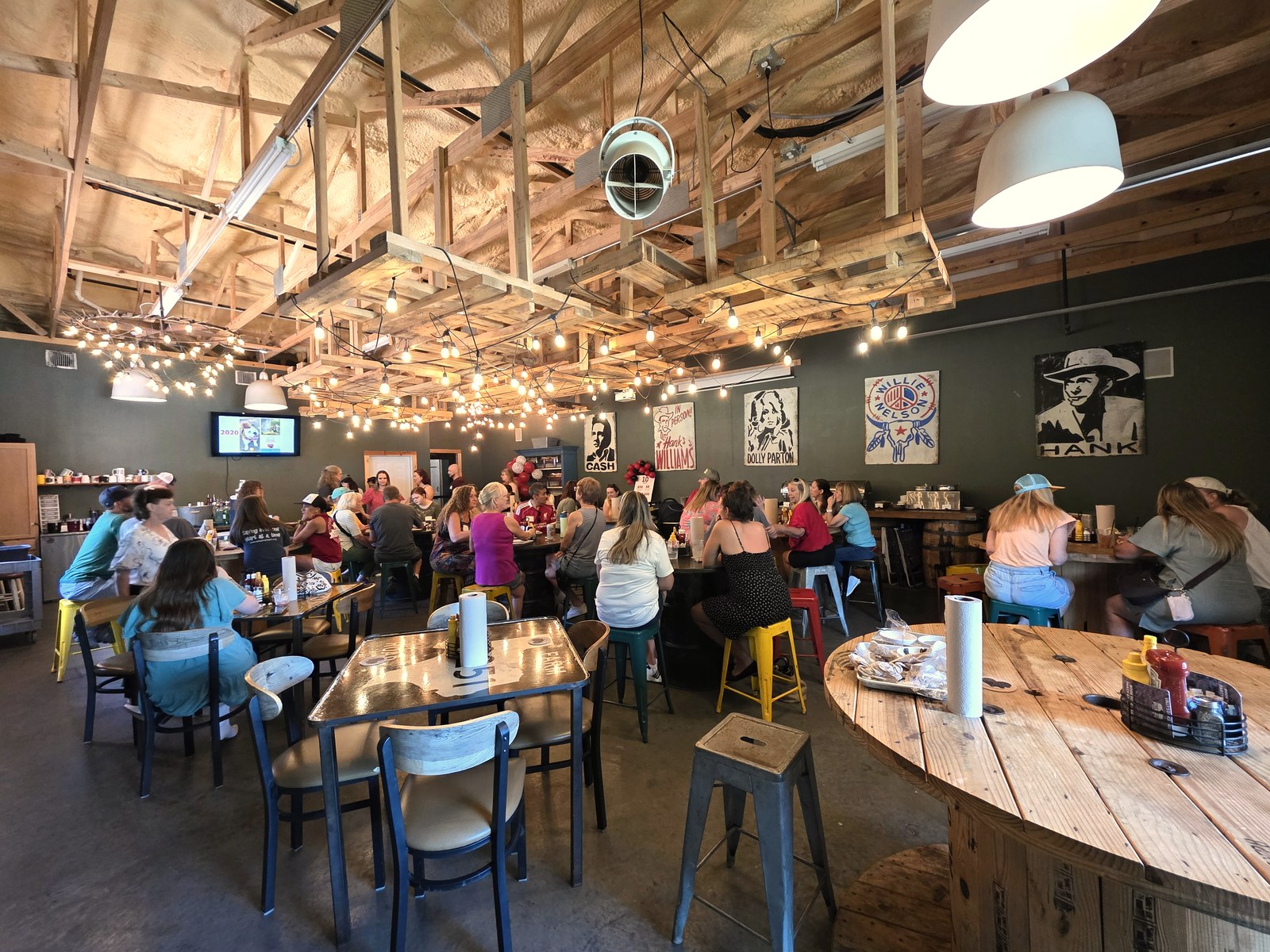
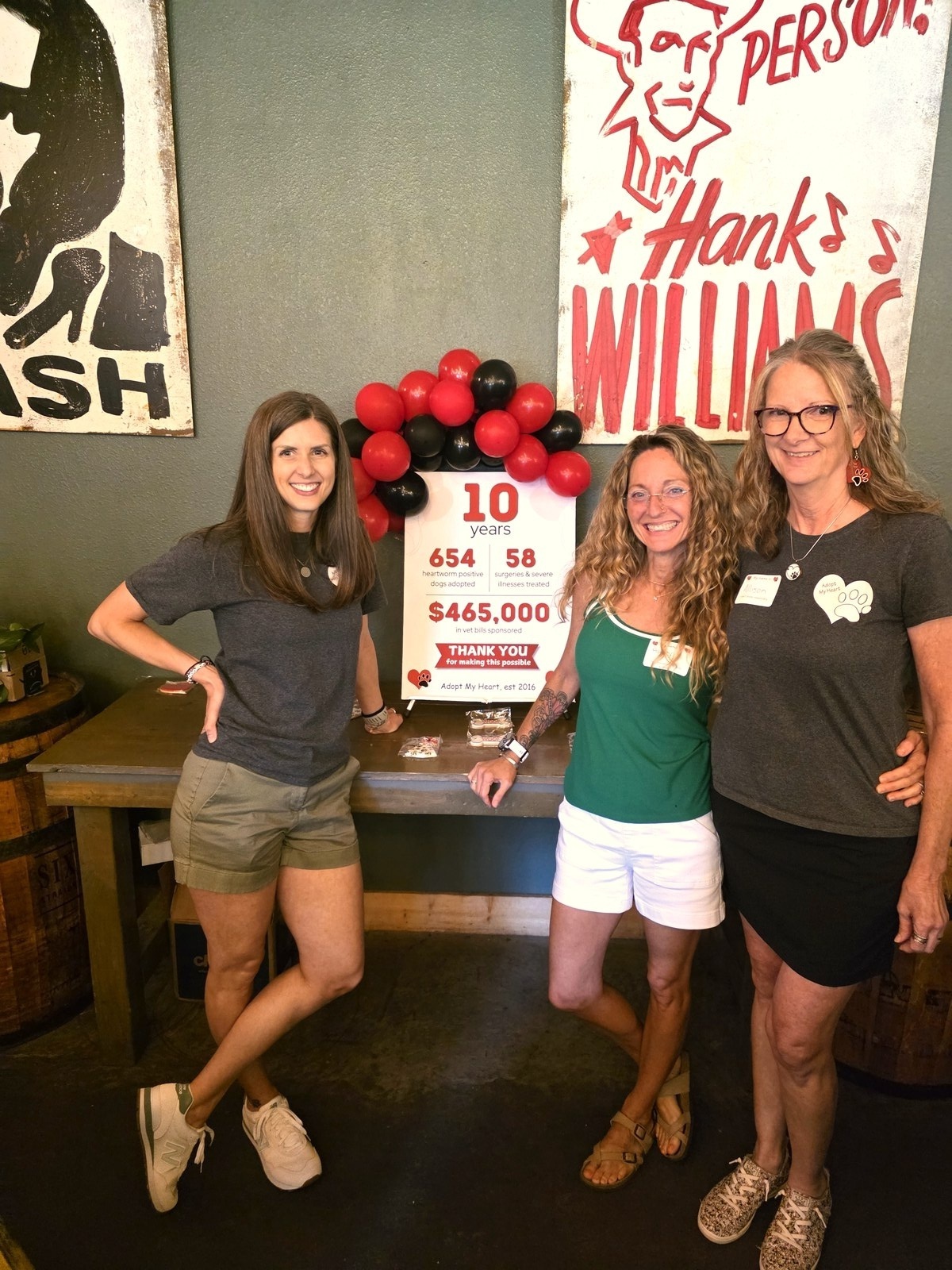
This past Sunday, Adopt My Heart turned ten. I made the drive down from Missouri to be there, and Allison had pulled together the numbers for our anniversary celebration. Y'all. I was not emotionally prepared.
Ten years. One scrappy kitchen table. Here's what we built:
- 654 dogs adopted under our sponsorship
- 58 dogs and cats helped with special medical treatment
- Over $465,000 in total sponsored vet bills — paid out plus committed future costs
Three people who started with a kitchen table, a Facebook page, and a lot of feelings about shelter dogs. Almost half a million dollars in veterinary care. My heart was so full I didn't quite know what to do with myself.
The Ripple You Don't See
Here's what I think about when I think about this charity — and I'm saying this as someone who studies nutrition and whole-body health for a living, so bear with me while I get a little nerdy.
When a dog gets heartworm treatment through Adopt My Heart, the ripple effect doesn't stop at the dog.
The family that adopts gets a pet they might not have been able to afford otherwise. And the research on pet ownership is genuinely staggering — dog owners show lower blood pressure, reduced cortisol levels, and significantly lower rates of cardiovascular disease than non-owners. The act of adopting — of choosing to open your home to an animal who needed someone to show up — does something to a person that a wellness app cannot replicate.
The foster family who loves a dog through a long treatment recovery and then lets them go to their forever home? That's an act of profound generosity that activates something in the nervous system. More on that in a second.
The vets who discount their services to work with us went into medicine to heal. Getting to do that outside the constraints of a for-profit system — as a genuine act of community — matters in ways that show up in their own wellbeing too.
And Allison, Vivian, Emily — the people who have given years of their lives to this: they are, by every measure we have for longevity and health, doing exactly what humans are wired to do.
Rest, Digest, and the Neuroscience of Giving a Damn
Here's where my NTP brain fully takes over.
We talk a lot in nutrition about the autonomic nervous system — the difference between sympathetic ("fight or flight") and parasympathetic ("rest and digest") states. Most of us are chronically stuck in sympathetic overdrive. Stress, screens, schedules, the general chaos of modern life. And chronic sympathetic dominance isn't just uncomfortable — it's inflammatory. It disrupts digestion, hormones, sleep, and immune function. It ages us faster than almost anything else we do (or don't do) for our bodies.
The parasympathetic state — rest and digest — is where healing actually happens. Where digestion works the way it's supposed to. Where the body can repair itself.
So how do we get there?
Sleep, yes. Breathwork, yes. Slowing down, obviously. But one of the most underrated — and genuinely well-researched — pathways to parasympathetic activation is social connection and purposeful community.
The vagus nerve, which is essentially the superhighway of the parasympathetic nervous system, is directly activated by oxytocin — sometimes called the bonding hormone. Oxytocin surges when we feel connected to others, when we act in service of something beyond ourselves, and yes, when we interact with animals. Dog people already knew this. Science just caught up.
The research on volunteering specifically is compelling. Studies have found that people who volunteer regularly report lower rates of depression, better self-reported health, and — here's the part that should be on a billboard — lower mortality rates than non-volunteers, even after controlling for age and baseline health. The effect is especially pronounced when people volunteer for reasons beyond personal gain.
This is sometimes called the "helper's high" — a measurable neurochemical response involving endorphins and serotonin that kicks in when we help others. It's real, it's physiological, and it is absolutely free.
The Blue Zones Connection
If you're not familiar with the Blue Zones, they're the regions of the world where people routinely live past 100 in good health — Sardinia, Okinawa, Loma Linda, the Nicoya Peninsula, Ikaria. Dan Buettner's research identified nine common lifestyle factors across all of them, and right there alongside diet and movement is something he calls "belong" — being part of a faith or purpose community — and "loved ones first" — keeping family and close community at the center of daily life.
It's not just about what they eat (though that matters too, and I will absolutely talk your ear off about that another time). It's about why they get up in the morning. Purpose. Belonging. Being needed by someone.
The Okinawans have a word for it: ikigai — loosely translated as "reason for being." The Sardinians have deeply embedded community rituals. None of them are doing it alone. And that is not a coincidence.
Community isn't a nice-to-have. In the longevity research, it shows up as a need-to-have — as fundamental as sleep and vegetables, and possibly harder to supplement your way around.
Why I Couldn't Quit
So. Back to me and my three failed resignation attempts.
Here's what I've landed on: even from Missouri, even as a silent partner, even with a full practice and a content calendar and a garden that perpetually needs attention — I have always been tethered to something bigger than me. There's a group text with Allison, Emily, and Vivian that I genuinely look forward to. There's a moment every time Allison sends an update where I feel, just for a second, like I'm part of something that actually matters.
That feeling? That's not just warm and fuzzy. That's vagal tone. That's oxytocin. That's my parasympathetic nervous system doing exactly what it was designed to do.
I couldn't quit because, neurologically speaking, I didn't want to.
I drove down to Texas this past weekend to celebrate ten years with the people who made this thing real, and standing there — looking at those numbers, looking at these women who have given so much — I felt the kind of full that doesn't come from food or rest or any protocol I could ever write for a client. It comes from belonging to something. From showing up, even imperfectly, even from a distance, for a long time.
I am so proud of this scrappy little organization that started at a kitchen table and somehow became nearly half a million dollars worth of second chances for dogs who needed one.
Find Your Version of This
If you're in the Collin County area and want to get involved, find Adopt My Heart on Facebook. Volunteer at the shelter. Consider donating. Every dollar goes directly to the animals.
And if you're not in Texas — find your version of it. A food pantry. A community garden. A neighbor who could use groceries. A shelter animal who needs a foster. It doesn't have to be big. It doesn't have to be perfect. It just has to be yours.
The science is pretty clear: you need community as much as you need vegetables. Possibly more.
Find your people. Show up for something. Let your nervous system thank you.
Adopt My Heart celebrates its tenth anniversary this week. To learn more or support their work, find them on Facebook.