The Terrain Series, No. 4. A series on how everyday food shapes the body's inner terrain — the conditions that either invite disease or help keep it at bay. This week: a quieter player with an outsized role in hormone-driven cancers.
We talk a lot in this series about what shapes the terrain — blood sugar, inflammation, the foods that either invite trouble or quietly crowd it out. This week I want to talk about a quieter player, one that matters enormously for a whole category of cancers: estrogen.
Here's the part that surprises people. With hormone-driven cancers — breast, ovarian, endometrial — the issue usually isn't simply having estrogen. Estrogen is essential; you need it. The issue is how much builds up, and how well your body metabolizes and clears it. When estrogen runs high relative to progesterone, and when your body struggles to escort the excess out, you create a more hospitable terrain for hormone-sensitive cells to grow. That's the lever. And it turns out to be a lever you can gently support — with food.
Which brings me to one of my favorite low-drama, food-first practices: seed cycling.
So what even is seed cycling?
It's exactly what it sounds like: eating specific seeds at specific points in your cycle. Not a complicated protocol. Not a supplement stack. Just four seeds — flax, pumpkin, sesame, and sunflower — rotated in two phases to support your hormones across the month.
Each one brings something different:
- Flax and sesame contain plant compounds called lignans that help your body process estrogen more cleanly.
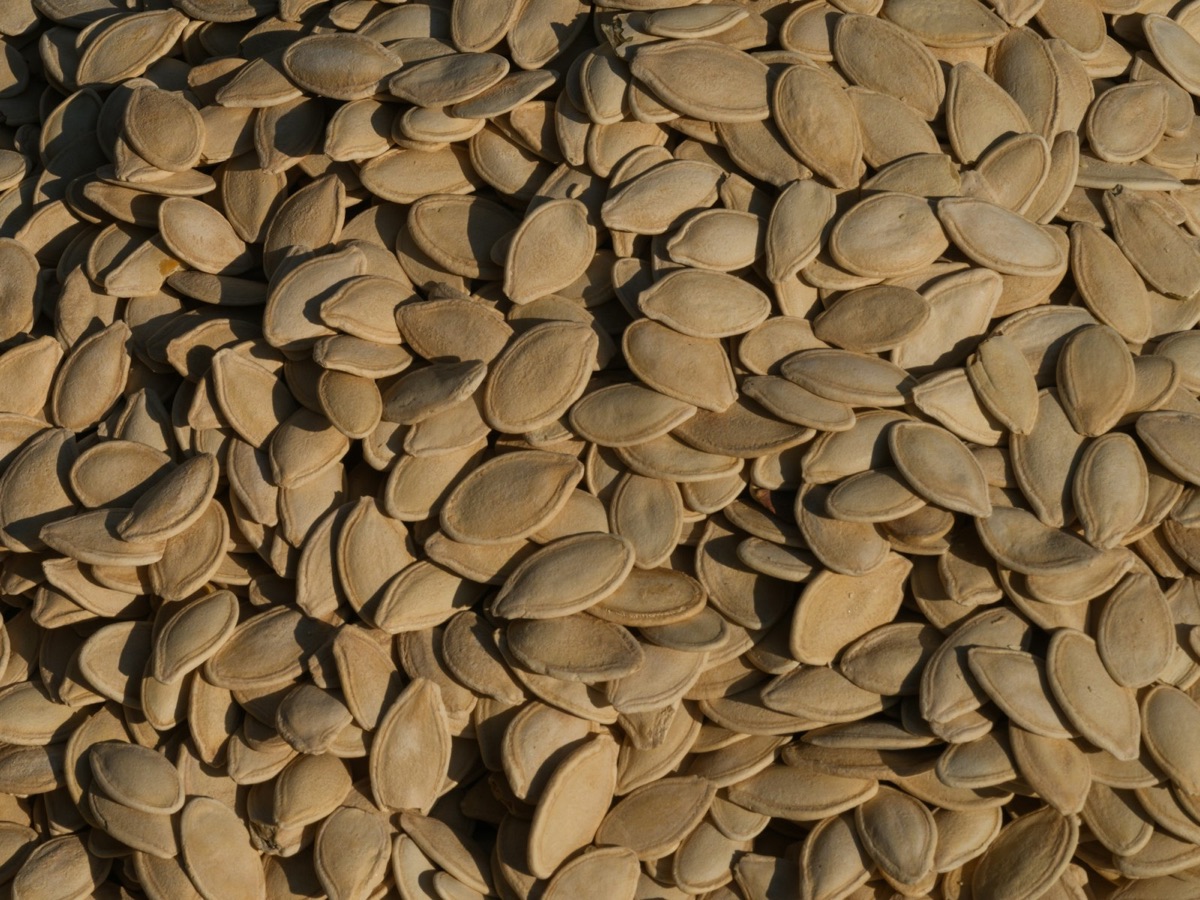
- Pumpkin seeds are rich in zinc — and steady, adequate zinc status supports healthy ovulation, which is what drives your body's own progesterone.
- Sunflower seeds provide selenium and vitamin E, antioxidants that support glutathione and overall cellular health — which in turn helps your liver do its everyday clearance work.
| Phase | Seeds | What they bring |
|---|---|---|
| Phase 1 Days 1–14 (follicular) |
Flax + pumpkin | Lignan-rich flax to support cleaner estrogen metabolism, plus zinc from pumpkin to support healthy ovulation over time. |
| Phase 2 Days 15–28 (luteal) |
Sesame + sunflower | More lignans from sesame, plus selenium and vitamin E from sunflower to support your antioxidant and liver-clearance systems. |
How much? One tablespoon of each seed per day, freshly ground. Add them to whatever you're already eating — smoothies, salads, eggs, soups. That's genuinely it.
How this actually supports the terrain
Here's where it connects to cancer, mechanistically:
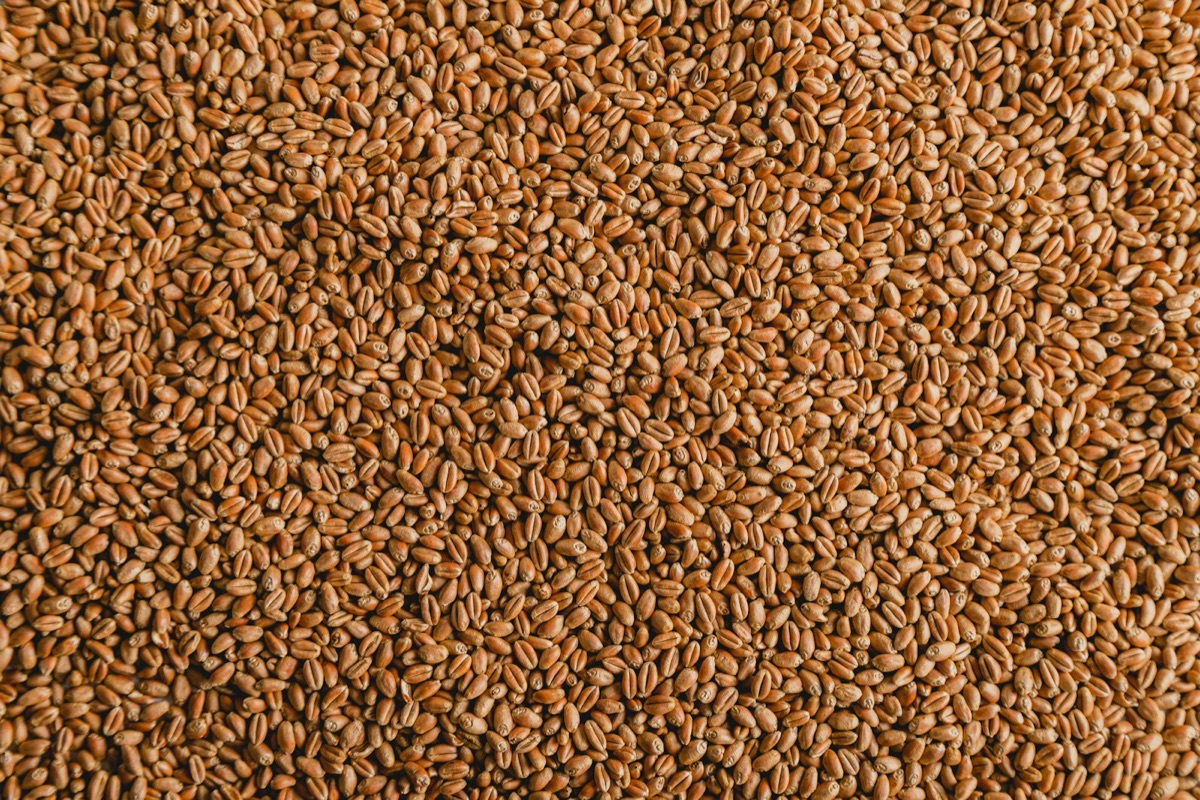
Lignans help your body clear estrogen the "clean" way. When you eat flax and sesame, your gut bacteria convert their lignans into compounds called enterolignans. These do two helpful things: they nudge estrogen metabolism toward its more protective pathway, and they act as very weak phytoestrogens — gently occupying estrogen receptors so your own stronger estrogen has less room to over-signal. Higher enterolignan levels have been associated with lower breast cancer risk in population studies.1
Fiber carries excess estrogen out. Your liver packages up used estrogen and sends it to the gut for disposal. Without enough fiber, some of that estrogen gets reabsorbed and recirculated. The fiber in these seeds binds it and helps escort it out — so it leaves instead of looping back around.
Zinc, selenium, and vitamin E feed the supporting cast. Progesterone balances estrogen, and the liver does the clearing — both rely on a steady supply of these minerals and antioxidants. This isn't a phase-specific switch you flip; it's about giving those systems what they need, day in and day out.
In other words: seed cycling isn't acting on a tumor. It's tending the soil — supporting steadier hormones and cleaner estrogen clearance, which makes for a less hospitable terrain. That's the whole philosophy of this series.
What the research actually says (honestly)
Let me be straight with you, because you deserve that. "Seed cycling" as a named protocol hasn't been studied in a large clinical trial — most of the evidence is for the individual components, and the timing-by-phase part is more traditional wisdom than proven science. So I won't oversell it.
But the components are real:
- In an early study, women eating ground flaxseed daily showed a meaningfully higher progesterone-to-estrogen ratio and longer luteal phases — direct evidence it shifts hormones in a favorable direction.2
- In postmenopausal women with breast cancer, daily ground flaxseed was shown to reduce markers of tumor growth over the weeks before surgery.3
- And as above, higher lignan exposure tracks with lower breast cancer risk in observational data.1
So: a low-risk, nourishing, fiber-and-lignan-rich food habit with genuine mechanistic support and a few encouraging human studies. Not a magic bullet — a sensible way to tend the terrain.
The only real "myth" in seed cycling is the idea that the calendar is doing the heavy lifting. It isn't. Seed cycling works because you're adding two tablespoons of fiber-, lignan-, and mineral-rich food to your day — not because your body cares what date it is. The phase timing is a helpful structure that keeps you consistent and rotates a wider range of nutrients through your week. But if you forget which phase you're in, or your cycle is irregular, don't sweat it. The daily habit is the medicine. The calendar is just the reminder.
A lovely bonus: because it smooths the estrogen-progesterone swing, seed cycling also tends to ease PMS, hormonal acne, and menstrual migraines. Same mechanism, friendlier month.
How to actually do it
- Grind fresh. Buy whole seeds and grind in a small coffee grinder. Pre-ground flax goes rancid fast and loses its benefits. Ten seconds.
- Store cold. Sealed glass jar in the fridge, up to a week.
- Start small. New to this much fiber? Begin with half a tablespoon and build up.
- Give it time. Most people notice shifts after 8–12 weeks of consistency. This is a steady practice, not a quick fix.
- Raw and organic. Roasting changes the seeds' fats; raw is the goal.
No regular cycle? You're not left out. If you're postmenopausal, on hormonal birth control, or your cycle is irregular, the phase timing matters less — but the estrogen-clearing, fiber, and lignan benefits still apply every single day. A simple approach: rotate Phase 1 seeds for two weeks, Phase 2 seeds for two weeks, on a calendar. You still get all the terrain support.
A careful, important word
This is general education, not medical advice — and here it really matters. If you have or have had a hormone-sensitive cancer, please loop in your oncology team before adding concentrated phytoestrogen foods. The reassuring news is that the research on flaxseed specifically has been positive even in breast cancer3 — but you and your care team know your situation, and this is a partnership, not a solo experiment. Food is a support alongside your care, never a substitute for it.
Bring it to your plate
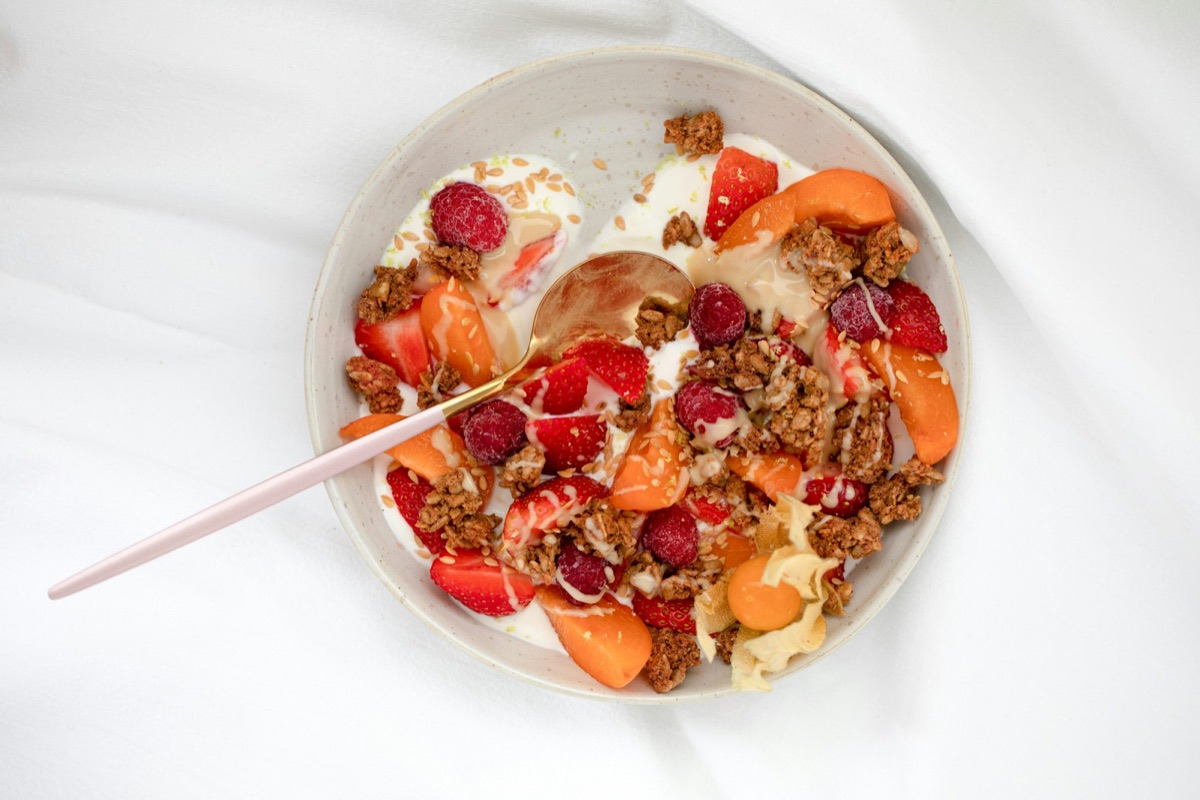
The easiest way to start is to stop thinking of it as a protocol and just sprinkle. I built a simple flax & pumpkin seed egg bowl that makes Phase 1 effortless — with a one-swap version for Phase 2.
Small, steady, repeatable. That's how terrain work actually happens. More to come.
Sources: 1 Buck, K., Zaineddin, A.K., Vrieling, A., Linseisen, J., & Chang-Claude, J. (2010). Meta-analyses of lignans and enterolignans in relation to breast cancer risk. American Journal of Clinical Nutrition, 92(1), 141–153. | 2 Phipps, W.R., Martini, M.C., Lampe, J.W., Slavin, J.L., & Kurzer, M.S. (1993). Effect of flax seed ingestion on the menstrual cycle. Journal of Clinical Endocrinology & Metabolism, 77(5), 1215–1219. | 3 Thompson, L.U., Chen, J.M., Li, T., Strasser-Weippl, K., & Goss, P.E. (2005). Dietary flaxseed alters tumor biological markers in postmenopausal breast cancer. Clinical Cancer Research, 11(10), 3828–3835.
Photos via Unsplash.