Cancer is a deeply personal subject. If you are in treatment, supporting someone you love, or grieving a loss, you may bring experiences to this conversation that deserve tenderness and respect.
I write a lot about cancer and nutrition and how to care for yourself — and there's a reason. If you follow my blog at all, or any of my social media accounts, you already know the story of my father. He was diagnosed with cancer and passed away thirteen days later. We never had the chance to sit down and look at his treatment options, because by then, there weren't any. I think about that often: how many people never get the time to ask questions, and how much that time is worth. If you have it, I want you to feel free to use it.
I recently read a NutritionFacts.org article, “Chemotherapy Is Expensive—Is It Effective?” It raises questions about the evidence behind some cancer drugs, the financial burden of treatment, and how we measure benefit.
The question I want to explore here is this: How can we help people understand their care and feel supported in the decisions they face?
Does chemotherapy work? It depends on the goal
Chemotherapy can cure some cancers, reduce the chance of recurrence, slow cancer growth, or relieve symptoms. Its purpose and expected benefit depend on the cancer and the individual situation. That context matters whenever we discuss whether a treatment “works.”1
What “surrogate endpoints” mean for cancer drug approvals
The article also raises a legitimate concern about how some treatments are studied. Researchers sometimes measure changes such as tumor shrinkage before they know whether a drug helps people live longer or feel better. These measures can offer information, but they do not automatically answer every question a patient might have.
One study cited in the article looked at cancer-drug approvals from 2008 through 2012. Of the 36 approvals based on these indirect measures, 5 were later shown to help people live longer, 18 did not show a survival gain in later studies, and 13 were still unknown when the study was published.2 That is real uncertainty, and it's worth taking seriously.
It was also a study of a particular group of approvals during a particular period. It does not establish that chemotherapy as a whole is ineffective, and an unproven survival benefit is different from proof that a treatment offers no benefit.
You don't have to go to cancer appointments alone
A cancer diagnosis can feel completely overwhelming. Fear and uncertainty can make it difficult to take in information, remember details, or even know what to ask.
If possible, bring someone you trust to appointments. A support person can listen, take notes, help you ask questions, and advocate for your needs and wishes. You do not have to absorb everything or navigate these conversations on your own.

Questions to ask your oncologist about chemotherapy
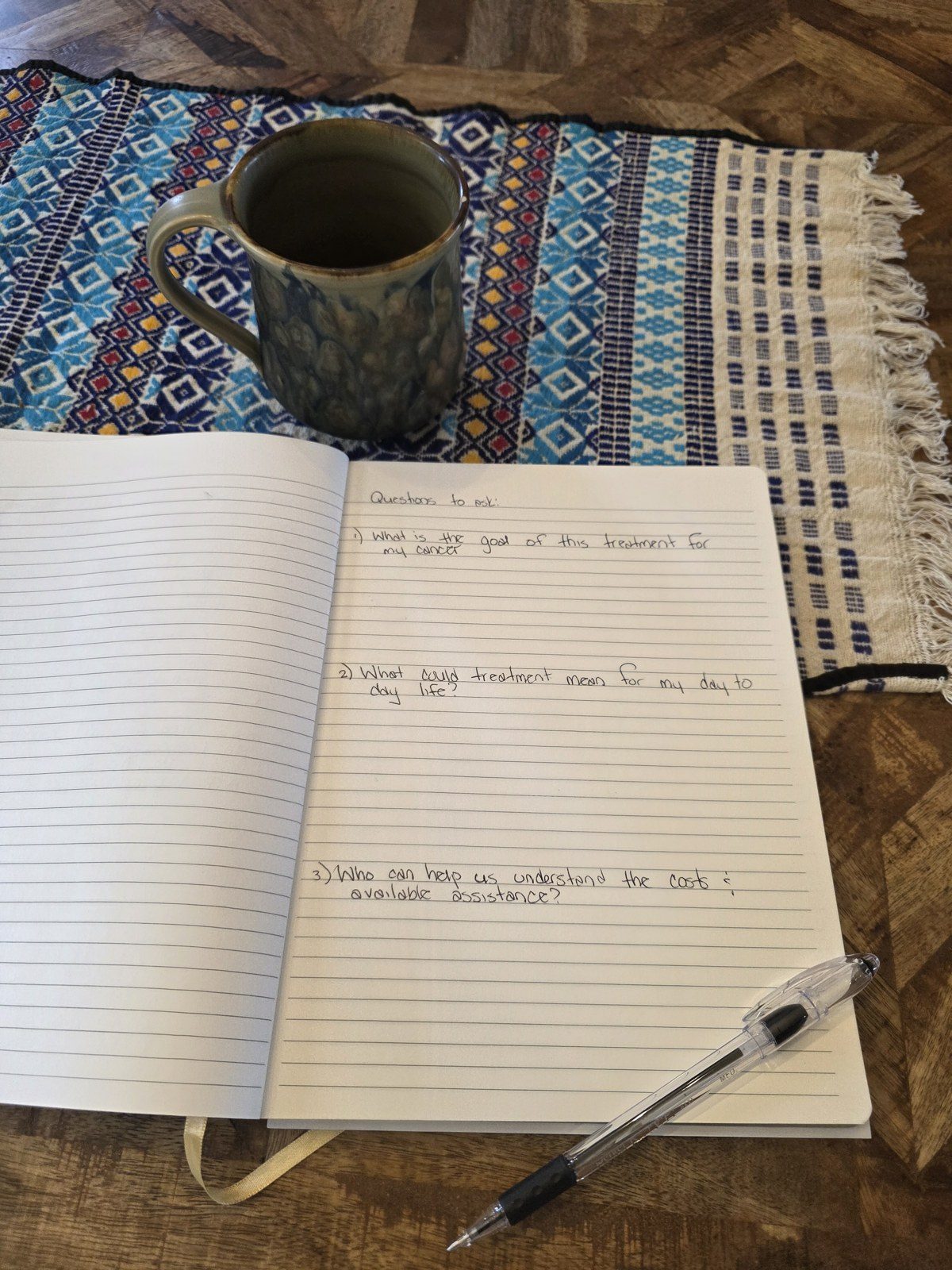
You deserve an explanation that connects the evidence to your circumstances, in language you can understand. A few questions may help open that conversation:
- What is the goal of this treatment for my cancer?
- How much benefit is expected for someone in my situation, and how certain are we?
- What could treatment mean for my day-to-day life?
- What other options should we discuss?
- How will we decide whether to continue or adjust the plan?
- Who can help us understand costs and available assistance?
You do not need to arrive knowing all the medical language. It is okay to ask for an explanation again or ask your care team to write down the main points.
Nutrition during cancer treatment: where food fits
As a Nutritional Therapy Practitioner, I also want to be thoughtful about where food fits into this conversation. During cancer treatment, nourishment may mean adapting to nausea, changing tastes, fatigue, or a smaller appetite. Some people need additional calories and protein to maintain strength. A registered dietitian with oncology experience can help tailor that support alongside the medical team.3
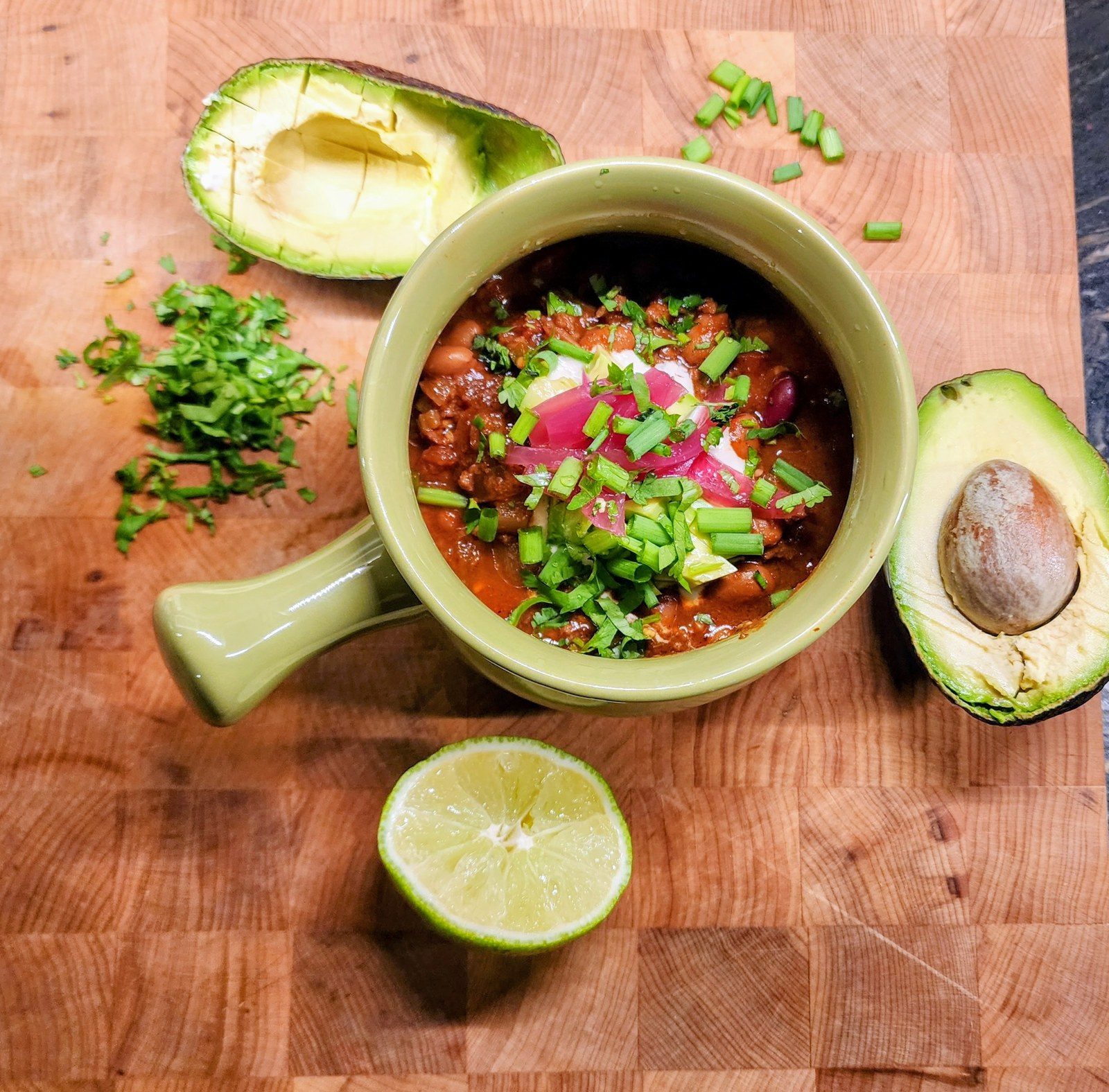
There is no perfect plate to live up to during a difficult season. Nutrition support belongs alongside appropriate cancer care; it should never come with a promise to replace treatment or an implication that someone is responsible for their illness.
If you're curious about one of the most common food-and-cancer questions I hear, I've written about whether sugar feeds cancer.
I hope conversations like this make more room for compassion, clear explanations, and care that respects what matters to each person.
Sources:
1 National Cancer Institute. Chemotherapy to Treat Cancer.
2 Kim C, Prasad V. Cancer drugs approved on the basis of a surrogate end point and subsequent overall survival: an analysis of 5 years of US Food and Drug Administration approvals. JAMA Internal Medicine. 2015. Read the study.
3 National Cancer Institute. Nutrition During Cancer Treatment.
Also referenced: Greger M. Chemotherapy Is Expensive—Is It Effective? NutritionFacts.org, September 2026.
This information is educational and not a substitute for medical advice. Always talk with your care team before making changes to your treatment.