
Ayurvedic fenugreek-crusted wild salmon with coconut ginger sauce
A spice tradition 5,000 years in the making, built around the most astaxanthin-rich fish in the ocean. Every ingredient is here for a reason — not just for flavor, but for what it does inside your body. This is the dish that turned a lifelong non-fish-eater into a wild-salmon believer.
By Ashley Crawford, NTP
Serves
4
Prep
15 minutes
Cook
20 minutes
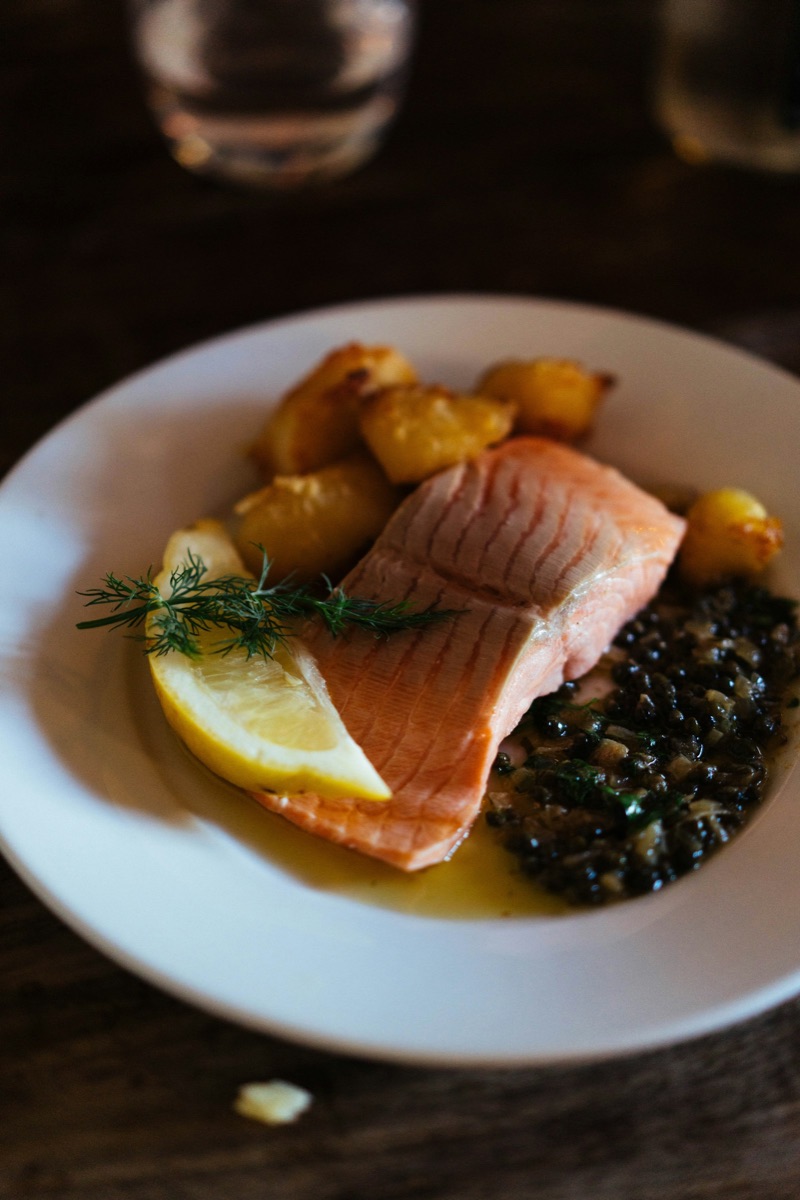
This came out of my deep dive into wild salmon and astaxanthin — and the realization that the fat-soluble astaxanthin in wild salmon is absorbed far better alongside quality fats and anti-inflammatory spices. So I cooked the two together, the way Ayurvedic kitchens have for millennia. The coconut oil and ghee aren't optional flourishes here; they're part of how the medicine works.
Ingredients
The spice paste
- 1 tsp organic ground fenugreek (methi)
- 1 tsp organic ground turmeric
- 1 tsp organic ground cumin
- ½ tsp organic ground coriander
- ½ tsp organic black pepper, freshly ground
- 1 tsp fresh organic ginger, finely grated
- 2 cloves organic garlic, minced
- 1 tbsp organic unrefined coconut oil (to bind the paste)
- ½ tsp Himalayan pink or Celtic grey sea salt
The salmon
- 4 × 6 oz wild-caught Alaskan sockeye salmon fillets, skin-on (Vital Choice, MSC-certified, 365 by Whole Foods, or Costco Kirkland)
- 1 tbsp organic unrefined coconut oil (for the pan)
- 1 tbsp grass-fed ghee
The coconut ginger sauce
- 1 can organic full-fat coconut milk, BPA-free (Native Forest Simple)
- 1 tsp organic dried kasuri methi (dried fenugreek leaves)
- ½ tsp organic ground turmeric
- 1 tsp fresh organic ginger, grated
- 1 tbsp organic coconut aminos (Coconut Secret)
- ½ organic lemon, juiced
- Sea salt to taste
To serve
- 1 head organic cauliflower, riced fresh (or 4 cups organic frozen cauliflower rice, thawed)
- ¼ cup fresh organic cilantro, roughly chopped
- 1 organic lemon, cut into wedges
Instructions
Take your salmon out of the fridge 10 minutes before you cook it — cold fish in a hot pan seizes up and cooks unevenly. Pat each fillet completely dry with paper towels.
A few things worth knowing
The coconut oil and ghee aren't optional — astaxanthin needs dietary fat to absorb properly, so they're part of the medicine. Don't rinse your salmon; pat it dry only, or you'll lose your crust. Kasuri methi (dried fenugreek leaves) smells like maple syrup and is worth seeking out at an Indian grocery or online. And the leftover sauce is wonderful over roasted vegetables or eggs the next day.
A note on the fat
If you're used to conventional guidelines, the saturated fat here might look high — but the source matters. It comes entirely from whole foods: coconut oil (rich in medium-chain triglycerides the body burns for fuel), grass-fed ghee (a source of gut-supporting butyrate), and wild salmon itself, which is also one of the richest food sources of vitamin D, omega-3s, B12, and selenium. In a whole-food, anti-inflammatory approach, fat from quality sources like these isn't something to fear.
For educational purposes only. Not medical advice.
Why this fish, and why wild
The science behind this dish — astaxanthin, inflammation, and the wild-vs-farmed truth — is in the blog post that inspired it.
Read: Wild salmon and astaxanthin →