
Roasted cauliflower & grass-fed beef skillet
This is the "you are not your genes" post on a plate. A one-pan dinner built on the cruciferous trio — cauliflower, broccoli, Brussels sprouts — plus kale and turmeric, the exact foods that help your genes behave. Grass-fed, grass-finished beef anchors it, cooked low and gentle on purpose.
By Ashley Crawford, NTP
Serves
2
Prep
15 minutes
Cook
35 minutes
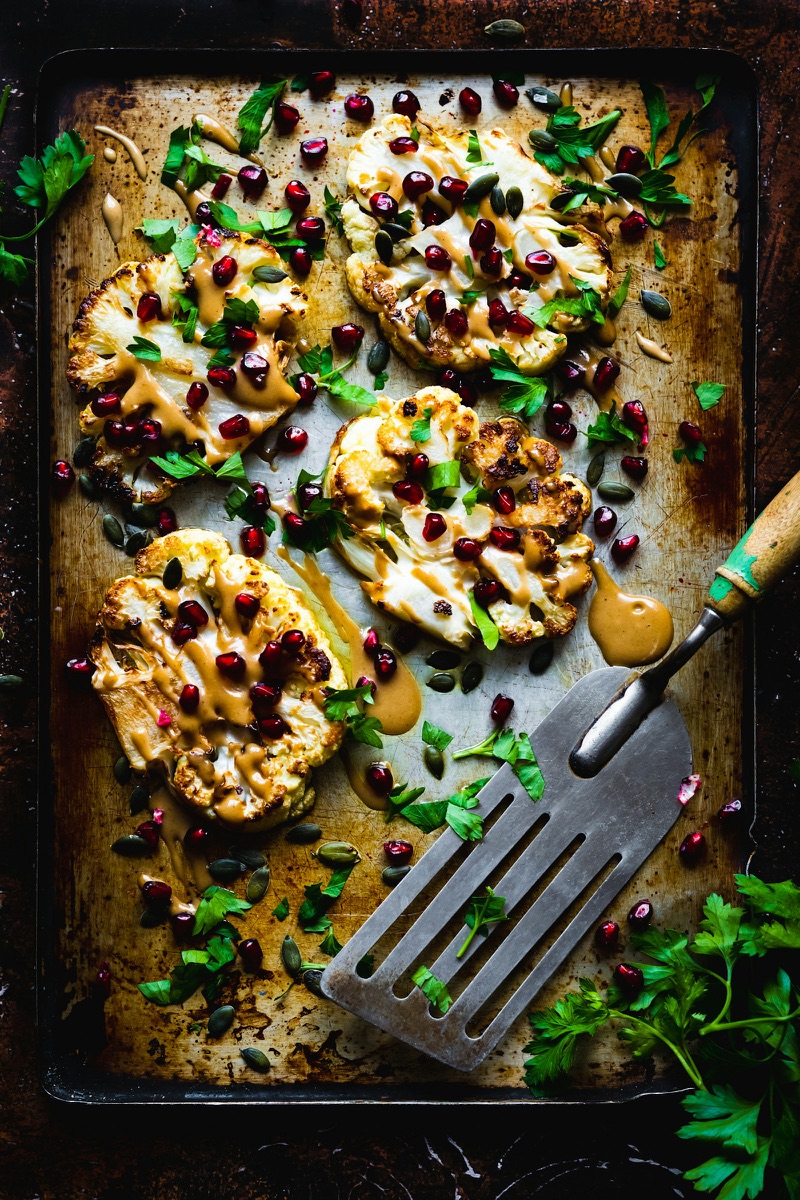
This came out of my write-up on epigenetics — how food talks to your DNA. Nearly every "epi-nutrient" in that post shows up right here in one pan: sulforaphane from the cruciferous trio, folate from the kale, curcumin from the turmeric. The beef brings iron and B12 the plants can't — and the way we cook it matters as much as the fact that we're eating it.
Ingredients
The vegetables
- 1 large head organic cauliflower, cut into large florets
- 1 cup organic broccoli florets
- ½ cup organic Brussels sprouts, halved
- 1 cup organic kale, stems removed and torn into large pieces
- 1 cup organic mushrooms, halved
- 1 organic bell pepper, sliced
The beef & its marinade
- ½ lb grass-fed, grass-finished beef (sirloin or flank), very thinly sliced
- Juice of ½ organic lemon
- 1 tbsp organic extra-virgin olive oil
- 1 tbsp fresh herbs, finely chopped (oregano, parsley, or basil)
- Pinch of Celtic sea salt
The skillet seasoning
- 3 tbsp organic extra-virgin olive oil
- 1 tsp smoked paprika
- ½ tsp cumin
- ½ tsp coriander
- ½ tsp garlic powder
- ¼ tsp organic turmeric (with a pinch of black pepper to activate it)
- Celtic sea salt and cracked black pepper to taste
- Pinch of chili flakes (optional)
To finish
- 3½ oz halloumi cheese, cubed
- Juice of ½ organic lemon
- 2 tbsp fresh herbs, torn (mint, basil, or parsley)
Make it your own
- Lighter: skip the beef and top each plate with a jammy pasture-raised egg — choline and folate make it an epi-nutrient in its own right.
- Plant-based: swap the beef for 1 cup cooked chickpeas, roasted alongside the cauliflower until crisp.
Instructions
The whole point of this dish is gentle cooking. We roast the vegetables hot, but we treat the beef low and slow — more on why below.
Why we cook the beef low and slow
When meat hits very high, dry heat — a screaming sear, an open flame, the broiler — it forms compounds called AGEs (advanced glycation end-products) that drive exactly the oxidative stress and inflammation this whole meal is meant to calm. Two simple moves keep them down: marinate first in something acidic (our lemon does this), and cook gentle and lower, just to doneness, without charring. Same beef, friendlier terrain. It's a small example of the bigger truth from the blog post — it's not only what you eat, it's how you prepare it.
The epi-nutrients on this plate
Cauliflower, broccoli, and Brussels sprouts deliver sulforaphane, which helps switch off inflammation at the source. Kale brings folate, a building block of the methylation cycle your body uses to turn genes on and off. And turmeric's curcumin — paired with black pepper so you actually absorb it — is one of the most-studied anti-inflammatory compounds in nature. Three of the seven epi-nutrients from the post, in one pan.
Grass-fed and grass-finished
"Grass-fed" only tells you how the animal started; many are still grain-finished at the end. "Grass-finished" means grass all the way through — which means a better fat profile, more omega-3s, and more of the antioxidants you're eating beef for in the first place. Worth looking for both words on the label.
For educational purposes only. Not medical advice.
You are not your genes
The science behind this skillet — how food signals your DNA, what "epi-nutrients" actually do, and why family history isn't a verdict — is in the blog post that inspired it.
Read: You are not your genes →