Let me say this up front so nobody clutches their pill organizer: I’m not anti-supplement. Some of them are genuinely useful. A few might be exactly what your body needs right now.
But walk down any supplement aisle and you’ll find a capsule, powder, gummy, or tincture promising to support basically every system you own. And not one of them can recreate what’s happening inside a bowl of real food.
That’s the heart of the whole foods vs. supplements question. It isn’t “food good, pills bad.” It’s that they do different jobs. They aren’t interchangeable.
Foundations first, then fill the gaps
The way I work is foundations first: digestion, blood sugar regulation, stress, sleep, and a nutrient-dense way of eating. Food is one of those foundations (not the only one), and it does a lot of the heavy lifting.
So when the question “what supplements should I be taking?” comes up, my answer usually starts with a few more questions. How’s digestion? Is breakfast a real meal, or coffee and a prayer? Are you sleeping? Because a supplement can’t absorb itself, and it can’t hold up a foundation that’s wobbly.
Food gives you nutrients in context. Supplements give you selected ingredients. Both have a place. The order matters.
How the food matrix affects nutrient absorption
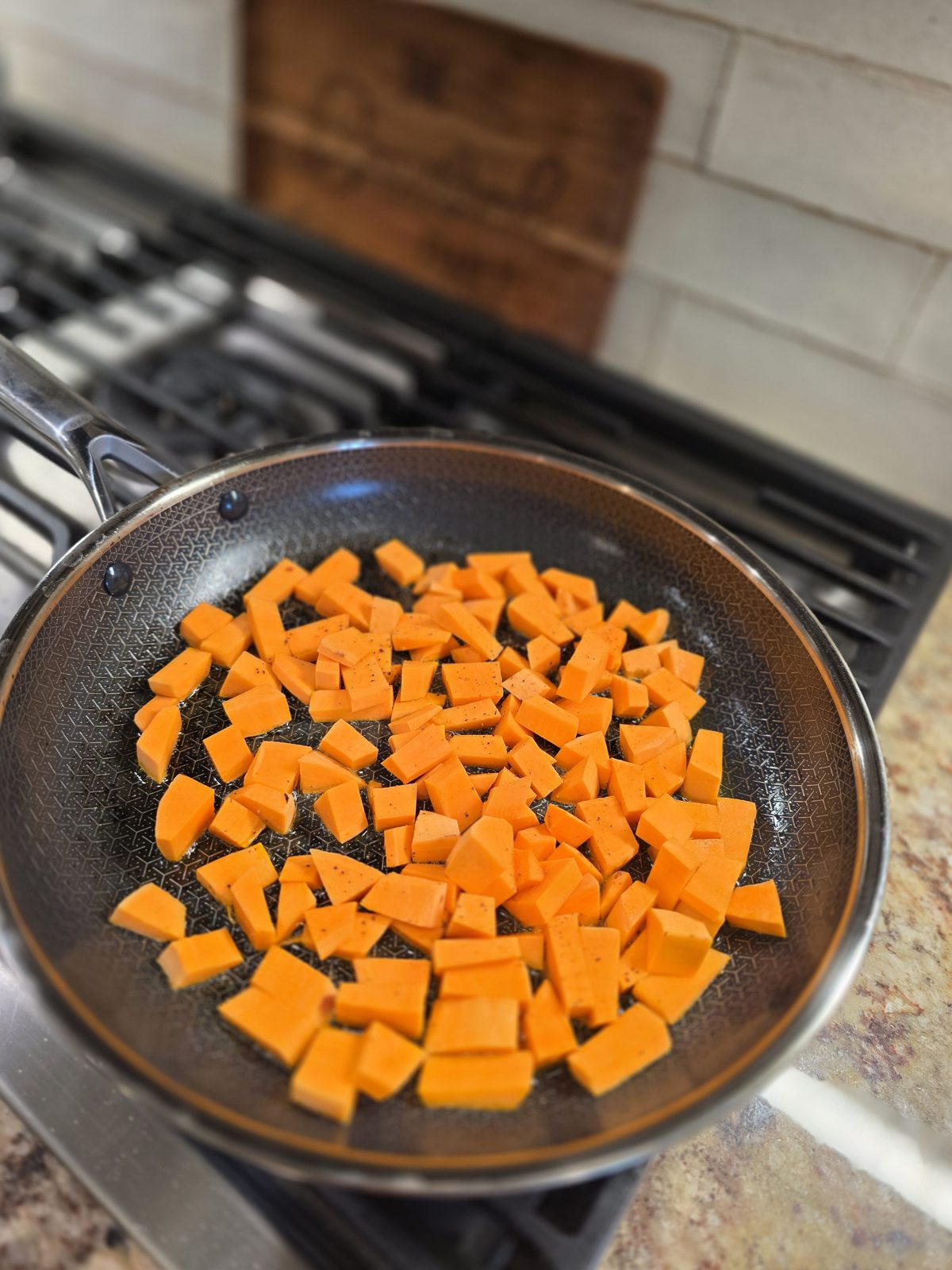
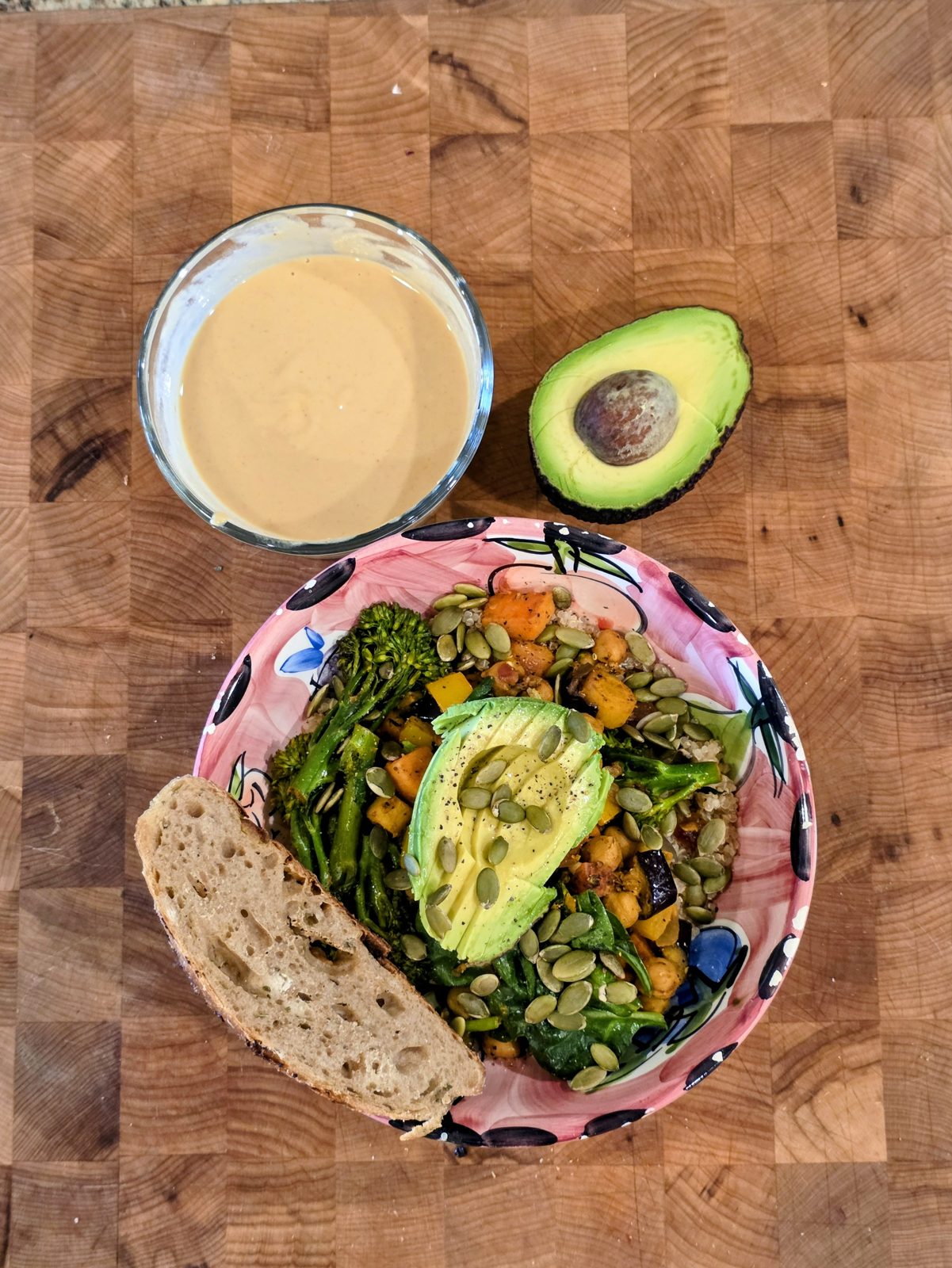
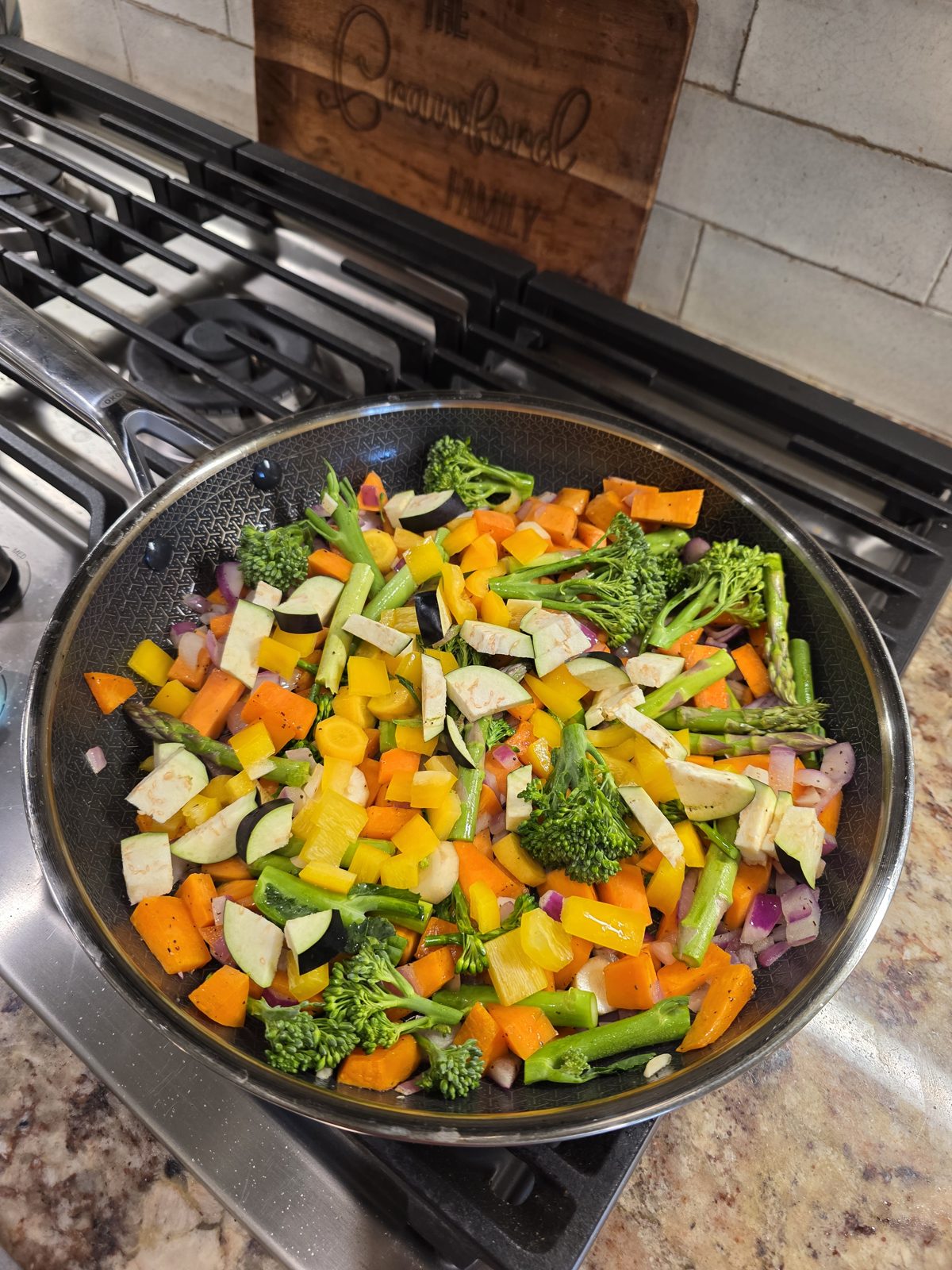
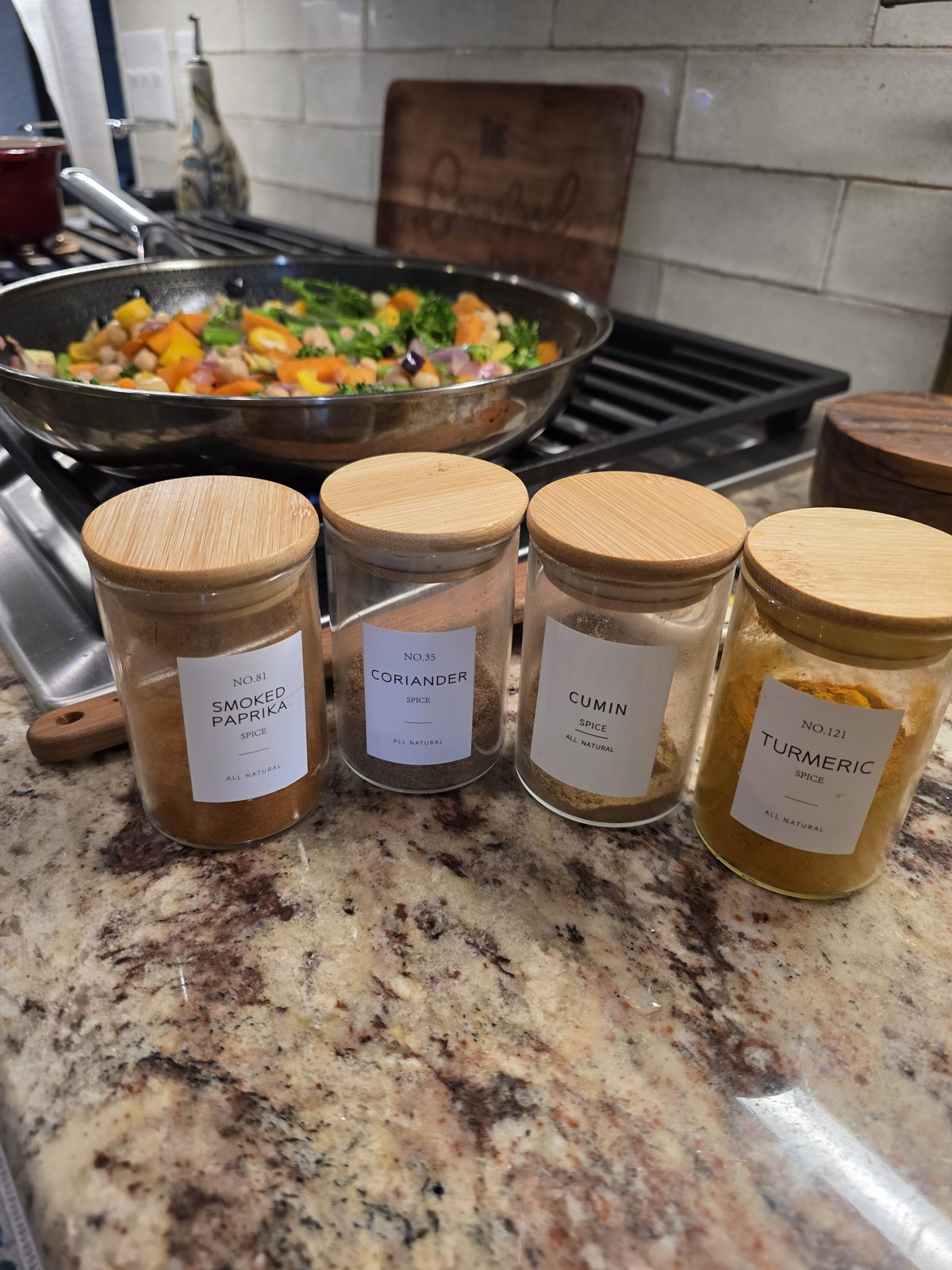
Let me show you what I mean with a bowl I made recently. Sweet potato and yellow carrots, red onion and garlic, broccolini and asparagus, plus yellow bell pepper and eggplant straight from my garden, all sautéed in one skillet with chickpeas and a handful of spices. Spinach folded in at the end. Served over quinoa with avocado, pumpkin seeds, and a lemony hummus dressing, with a slice of my homemade garlic rosemary sourdough on the side.
We could break that bowl down into a tidy list: protein, fiber, iron, magnesium, potassium, folate, vitamin C, carotenoids, healthy fats, and dozens of plant compounds.
The list still wouldn’t tell the whole story.
Scientists call the physical structure of a food its food matrix, basically how nutrients are packaged together.1,2 That structure affects how nutrients are released, absorbed, and used. Nutrients help each other, compete with each other, and behave differently depending on how the food is prepared and what it’s eaten with. Here’s how that plays out in my bowl, and how you can use it in yours:
- Add a little fat: Carotenoids (the orange and gold in sweet potato and yellow carrots) are fat-soluble. The olive oil in the pan, the avocado, and the pumpkin seeds all help you absorb them. In one human study, adding avocado to a salad substantially increased how many carotenoids people absorbed.7
- Pair vitamin C with plant iron: Chickpeas, spinach, quinoa, and pumpkin seeds bring non-heme iron (the plant kind). It’s absorbed better alongside vitamin C, and this bowl has plenty: a whole lemon in the dressing, yellow bell pepper, broccolini.
- Black pepper with your turmeric: Piperine, the compound in black pepper, helps your body absorb curcumin from turmeric. In a small human study it boosted curcumin absorption dramatically.8 That study used supplement-sized doses, not a sprinkle, but cracked pepper on a turmeric-spiced bowl costs you nothing.
- Chop your garlic, then walk away: I chopped my garlic and let it rest about 10 minutes before it hit the pan. Chopping kicks off an enzyme reaction that creates garlic’s signature sulfur compounds, and heat shuts that enzyme down. In an animal study, garlic that stood 10 minutes after chopping kept much more of its protective activity after cooking than garlic heated right away.9
- Soak, sprout, ferment, and cook: These change what’s available to you. Soaking and sprouting, for example, lower phytates, compounds that hang onto minerals like iron, zinc, and magnesium.
Your body isn’t reading a nutrition label one line at a time. It’s responding to the whole meal.
Whole foods feed your gut microbes, too
A supplement can deliver a concentrated nutrient. What it usually can’t bring along is fiber, resistant starch, water, texture, and the huge range of plant compounds in real food.
Those extras matter, especially to the trillions of microbes living in your gut. Beans, whole grains, vegetables, fruits, nuts, and seeds give those microbes something to ferment. That one bowl alone had chickpeas, quinoa, nine different vegetables, and seeds. What they make in return, short-chain fatty acids, helps support your gut lining, immune signaling, and metabolic health. A capsule with one isolated antioxidant can’t recreate that whole ecosystem.
Food also shapes blood sugar and fullness through its physical structure. Chewing (a subject near and dear to the slowest eater at every table), volume, protein, fat, and fiber all affect how quickly a meal is digested and how satisfying it feels. A handful of pills may have impressive numbers on the label, but it is not lunch. Your stomach remains unconvinced.
Why more isn’t better with supplements
When a nutrient comes in a bottle, it’s easy to assume a bigger dose means a bigger benefit. Biology is rarely that cooperative.
Some nutrients can build up and cause harm at high amounts. Others can interfere with medications, or with how you absorb other nutrients.
Beta-carotene is the classic cautionary tale. In two large trials in the 1990s, high-dose beta-carotene supplements increased lung cancer risk in smokers (and, in one trial, asbestos-exposed workers) instead of lowering it.3,4 The beta-carotene in your carrots and sweet potatoes didn’t raise those red flags. Same compound, very different package. (I dig into that story more in Color on your plate.)
In 2022, the U.S. Preventive Services Task Force recommended against beta-carotene and vitamin E supplements for preventing heart disease or cancer in healthy adults, and found the evidence insufficient to say whether multivitamins help prevent either.5
None of this means supplements are dangerous or pointless. It means the goal is the right nutrient, for the right person, in the right form and dose. Not the most crowded supplement cabinet on the block.
When do supplements make sense?
There are real times when food alone isn’t enough, isn’t practical, or isn’t appropriate. Targeted supplementation can be a great tool when it’s addressing a clear need:
- A confirmed or strongly suspected deficiency: ideally identified with labs, not guesswork.
- Limited food sources: Natural sources of vitamin B12 are animal foods, so if you eat fully plant-based, fortified foods or a B12 supplement is how you cover it reliably.6
- A life stage with higher needs: pregnancy is the big one.
- Reduced absorption: from age, digestive conditions, or surgery.
- Medications that affect nutrient status: acid blockers and some diuretics, for example, can lower magnesium.10
- A therapeutic plan: directed by a qualified practitioner who knows your history.
- A real-life gap: one you can’t close with food right now. That’s okay, too.
Full transparency: I eat plant-based, and I take a multivitamin, MaryRuth’s Liquid Morning Multivitamin. Not for the hair-growth part (my hair is doing just fine on its own, thank you), but because in my opinion it tastes the best, and a supplement I actually enjoy is one I’ll actually take. My clearest reason for taking it is B12: plant foods don’t provide it reliably, and this one gives me 12 mcg a day. It also covers a broad range of vitamins, which is nice insurance on the weeks my plate isn’t as varied as I’d like. It supports my foundation. It doesn’t replace it.
That’s where supplements shine: as targeted support. They can fill a gap, correct a deficiency, or provide a therapeutic dose that would be tough to get from food. They’re there to support the foundation, not impersonate it.
Start with the pattern before chasing the product
Before adding another bottle, I like to zoom out:
- Breakfast: Is there one? Does it actually hold you until lunch?
- Protein: Is it showing up across the day, not just at dinner?
- Plants: Are vegetables, legumes, fruit, herbs, nuts, seeds, and whole grains making regular appearances?
- Digestion: Is it working well enough to break down and absorb what you’re eating?
- Satisfaction: Are meals satisfying, or is the day held together by coffee and good intentions?
Sometimes the most useful next step is a supplement. Often it’s adding chickpeas to lunch, roasting an extra tray of vegetables, building a breakfast with some staying power, or eating consistently enough that your body has something to work with.
A supplement can be wonderfully precise. Food is wonderfully broad. You need both at different times, but the order matters: build the foundation, identify the gap, then use targeted support with a clear reason behind it.
The bottom line on whole foods vs. supplements
Whole foods don’t earn their place in the foundation because they’re more virtuous. They earn it because they deliver nutrients alongside the fiber, structure, energy, and biological complexity that make those nutrients useful.
Supplements can be excellent tools. They’re just tools. They aren’t replacements for meals, shortcuts around a plate that isn’t nourishing you, or proof that more is better.
So if you’re eyeing your supplement shelf and wondering whether it’s filling real gaps or just collecting dust in an expensive little lineup, y’all, that’s worth a look. You don’t have to sort it out alone. The goal isn’t to take the most. It’s to give your unique body what it actually needs.
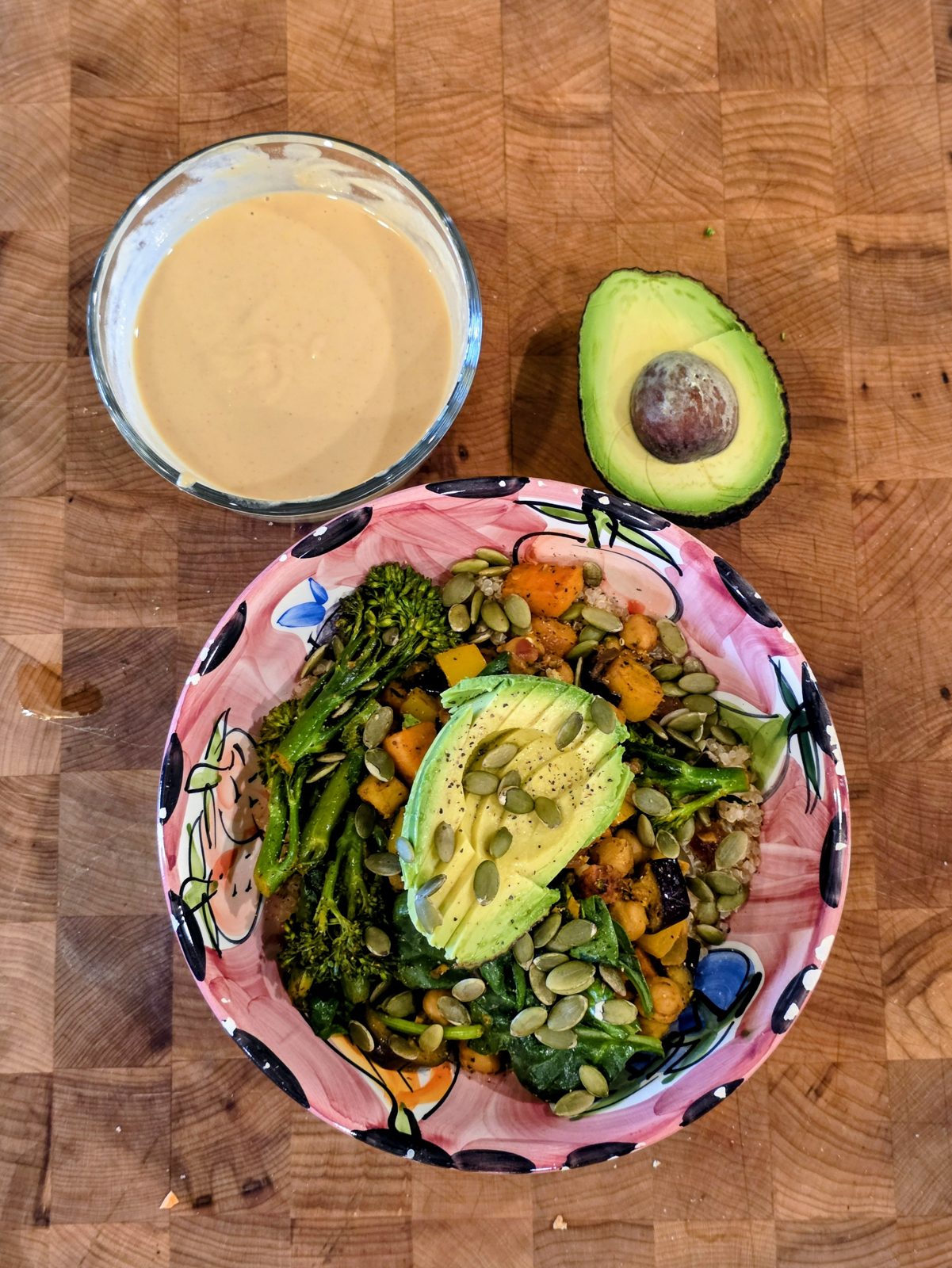
Want the bowl? Here’s the full recipe: Golden garden chickpea & quinoa bowl with lemon-sriracha hummus dressing.
This information is educational and not a substitute for medical advice. Always consult your healthcare provider before making changes to your medication.
Sources: 1 Melse-Boonstra A. Bioavailability of micronutrients from nutrient-dense whole foods: zooming in on dairy, vegetables, and fruits. Frontiers in Nutrition. 2020;7:101. | 2 Aguilera JM. The food matrix: implications in processing, nutrition and health. Critical Reviews in Food Science and Nutrition. 2019;59(22):3612–3629. | 3 The Alpha-Tocopherol, Beta Carotene Cancer Prevention Study Group. The effect of vitamin E and beta carotene on the incidence of lung cancer and other cancers in male smokers. New England Journal of Medicine. 1994;330(15):1029–1035. | 4 Omenn GS, et al. Effects of a combination of beta carotene and vitamin A on lung cancer and cardiovascular disease. New England Journal of Medicine. 1996;334(18):1150–1155. | 5 U.S. Preventive Services Task Force. Vitamin, mineral, and multivitamin supplementation to prevent cardiovascular disease and cancer: preventive medication. Final recommendation statement, June 21, 2022. | 6 NIH Office of Dietary Supplements. Vitamin B12: Fact Sheet for Health Professionals. Updated July 2, 2025. | 7 Unlu NZ, Bohn T, Clinton SK, Schwartz SJ. Carotenoid absorption from salad and salsa by humans is enhanced by the addition of avocado or avocado oil. Journal of Nutrition. 2005;135(3):431–436. | 8 Shoba G, et al. Influence of piperine on the pharmacokinetics of curcumin in animals and human volunteers. Planta Medica. 1998;64(4):353–356. | 9 Song K, Milner JA. The influence of heating on the anticancer properties of garlic. Journal of Nutrition. 2001;131(3s):1054S–1057S. | 10 NIH Office of Dietary Supplements. Magnesium: Fact Sheet for Health Professionals. | 11 NIH Office of Dietary Supplements. Dietary Supplements: What You Need to Know.